
Windows & Doors
Aluminium doors
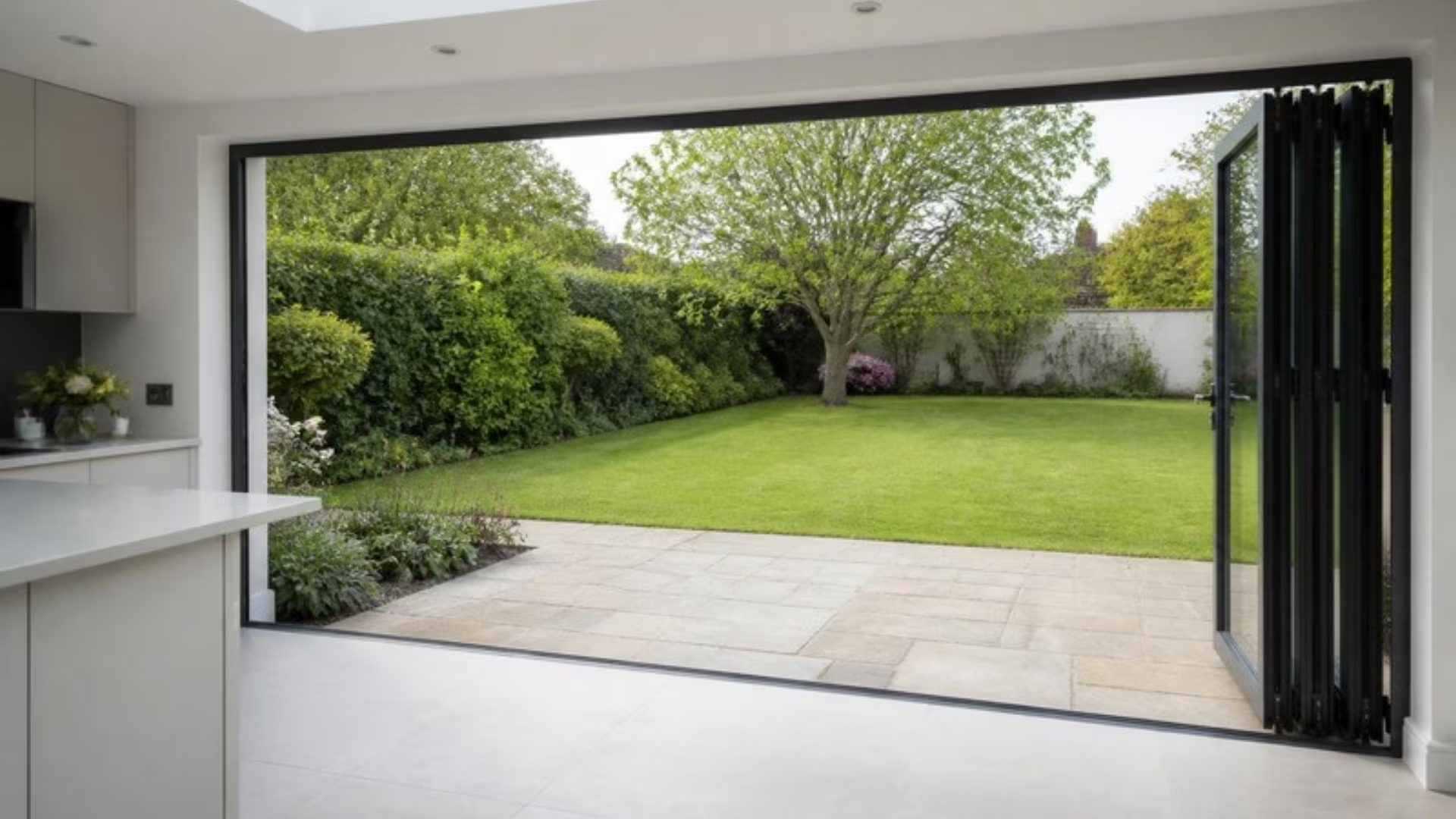
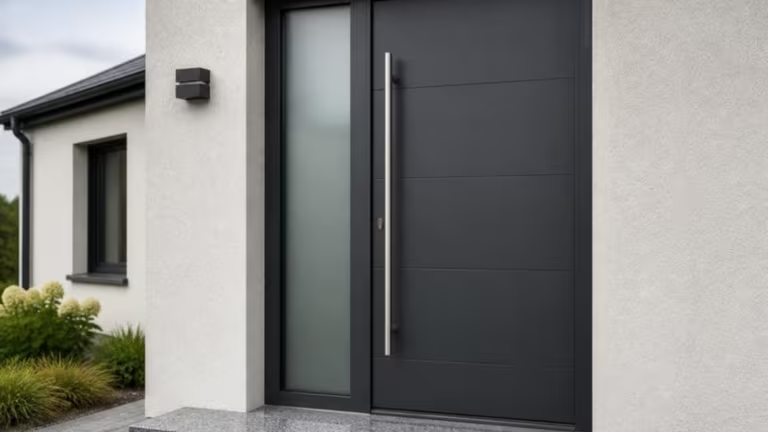
Front doors, bifolds and sliding patio doors in thermally broken aluminium, made to measure and fitted properly, threshold and all.
The right door for the opening
A door has to do more jobs than any window. It keeps the weather out and lets people in, it has to lock properly, and it gets opened thousands of times a year. Big glass doors to the garden add another job: making the back of the house feel like part of the garden. We supply and fit aluminium doors for all of those jobs. Each one is made to measure for the opening and fitted with the right threshold for where it sits.
Patio sliding doors
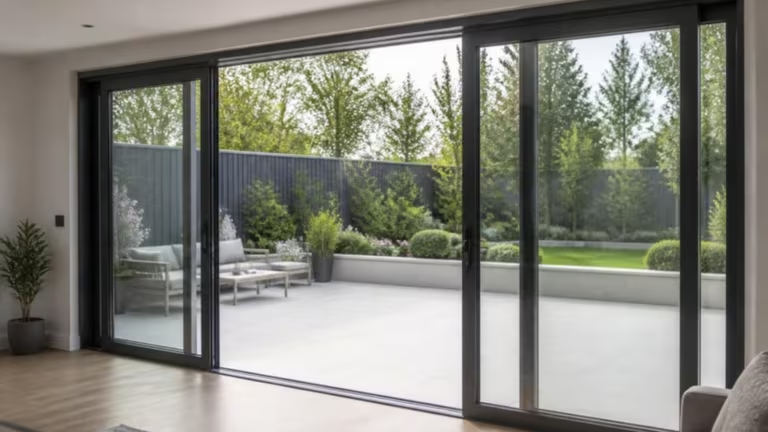
Large glass panels on a smooth track, in aluminium or uPVC, with lift-and-slide and tilt-and-slide options.
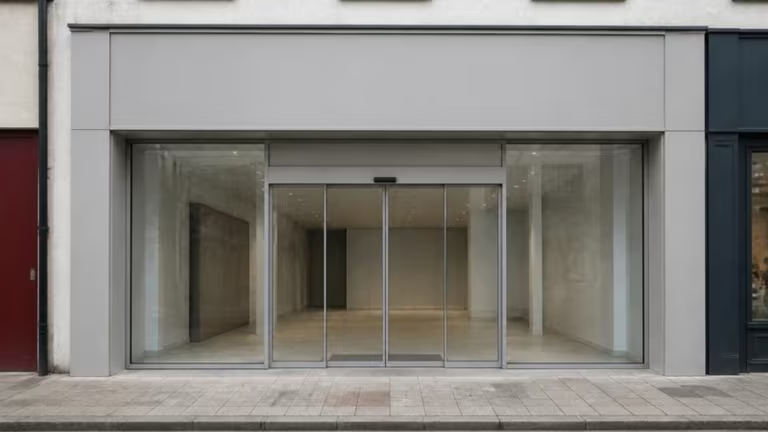
Glass shopfronts & entrances
Commercial entrances and shopfront glazing for shops, offices and showrooms.
Looking for internal doors? Our frameless glass doors are made for offices and homes, and sit in our interior glazing range.
Bifold or sliding?
It’s the question we’re asked most about rear extensions, and there’s no wrong answer, only a different trade-off.
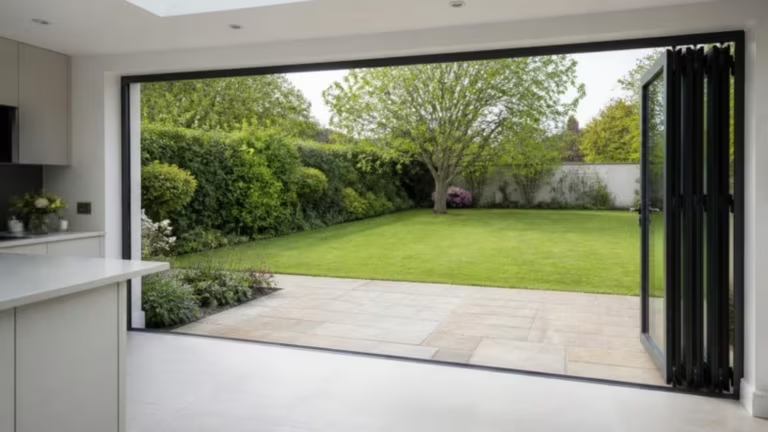
- Bifolds open almost the whole width, so on a good day the wall disappears. When they’re closed you see a frame every 900 mm or so, and the folded panels stack at one end.
- Sliding doors have far bigger panes and slimmer frames, so the view is better for the other eleven months of the year. They open by half, or by two-thirds with three tracks, rather than fully.
If you eat outside a lot and want the room to spill onto the patio, bifolds win. If the view of the garden matters more than the opening, sliding doors usually win. Our bifold doors and patio sliding doors pages go into more detail.
Thresholds and Irish weather
Most problems with glass doors come down to the threshold, not the door. A low or flush threshold looks great and is easier for buggies and wheelchairs, but it relies on a drainage channel outside and a sensible amount of fall away from the house. On exposed, west-facing elevations we sometimes recommend a slightly raised threshold, a canopy overhead or both. It’s better to have that conversation at survey than after the first winter storm.
Security as standard
Every external door we supply has multi-point locking. Where glass is low or close to a handle, it’s toughened or laminated safety glass. Laminated glass is harder to get through, so it’s the choice for ground-floor doors in quiet spots. Bifold and sliding systems have anti-lift protection and hidden hinges or rollers, so the panels can’t be levered out from outside.
The SEAI grant for external doors
SEAI’s standalone windows and doors grant includes €800 per external door, for up to two doors, on homes built and occupied before 2011. New doors must reach a U-value of 1.4 W/m²K or better, and the work must be done by a contractor on SEAI’s register. Check the current terms on seai.ie before you order.
Aluminium door FAQs
Can you fit bifold or sliding doors where I currently have a window?
Yes, but it means widening the opening and fitting a new lintel or steel beam, which is structural work. We’ll measure up and give you the exact opening size your builder needs, then fit the doors once the opening is ready. If you don’t have a builder, ask us and we’ll talk it through.
Are aluminium doors cold?
Not modern ones. Aluminium doors have a thermal break between the inside and outside of the frame. With good double or triple glazing, quality systems reach a U-value of 1.4 W/m²K or better, the level SEAI asks for.
Which is more secure, bifold or sliding doors?
Both are secure when properly specified. Look for multi-point locking, anti-lift protection and laminated glass. On bifolds, the main door’s lock and the end locks matter most. On sliders, the hook locks and anti-lift blocks do.
How long does it take to fit a new door?
A front door is usually fitted in a day. A set of bifold or sliding doors into a prepared opening normally takes a day or two, depending on size and access.
Do I need planning permission to replace a door?
Usually not, as long as the appearance doesn’t change materially. Protected structures and houses in Architectural Conservation Areas are the exception. Making a new or wider opening in a front wall can also need permission, so check with your council if that’s the plan.