Glass, windows, doors, pergolas and interiors, pictured to help you plan your own project.
Ideas for your home, garden and business
Use this gallery to picture what is possible before you talk to us. Each image links to the page for that product, where you will find sizes, options, how we survey and fit, and answers to common questions.
Please note: these images are illustrations of design ideas. They are not photos of specific Brega Glazing jobs, and finishes, sizes and details on your project will depend on your survey.
Aluminium windows, rooflights, front doors, patio and bifold doors, and glass shopfronts.
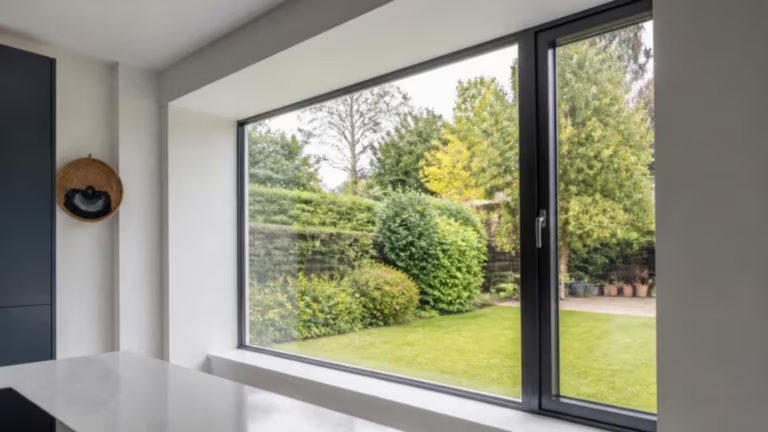
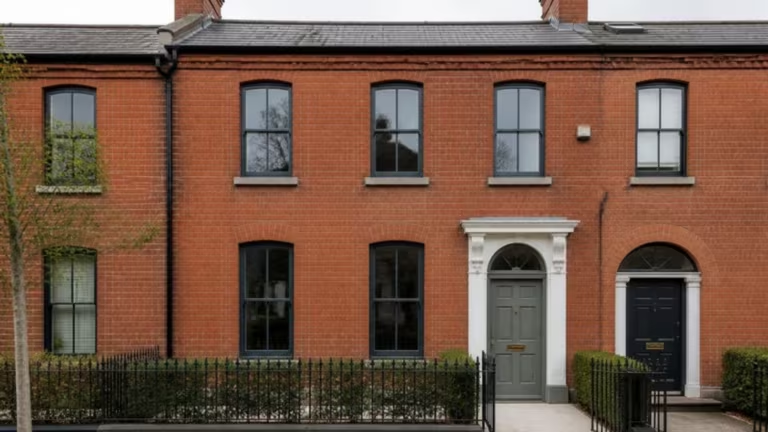
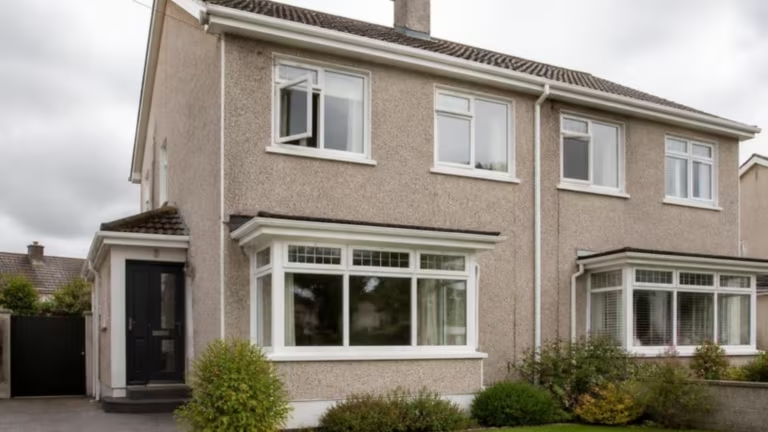
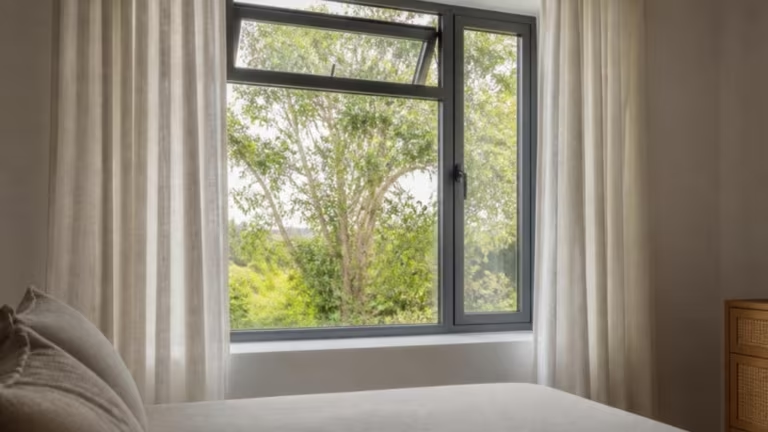
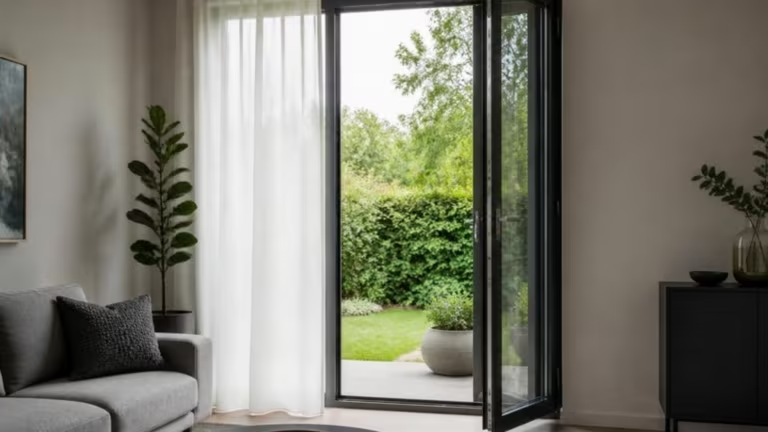
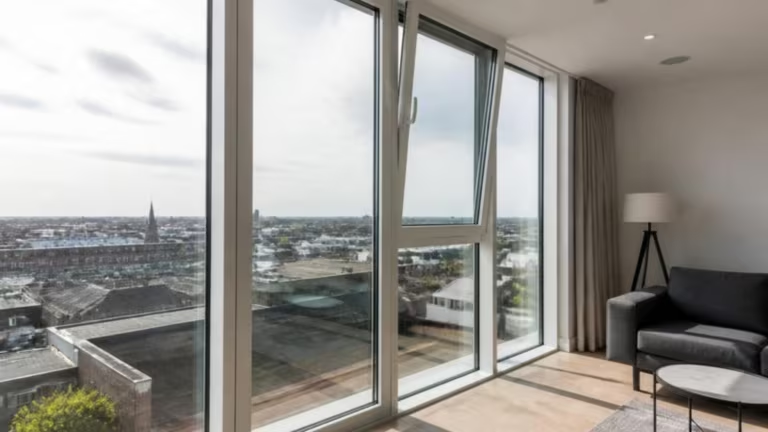
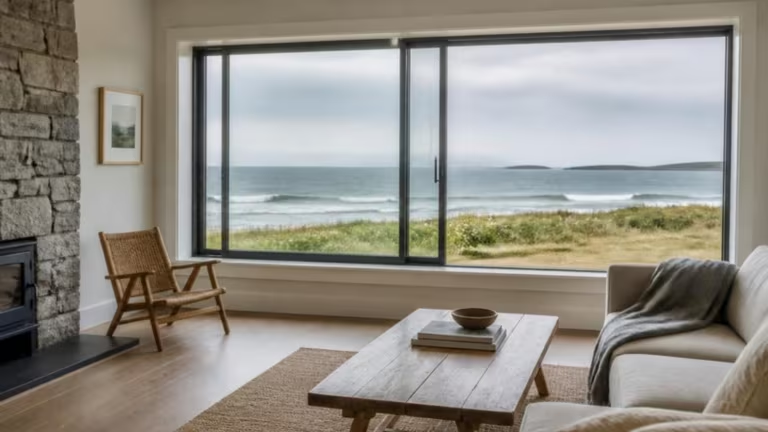
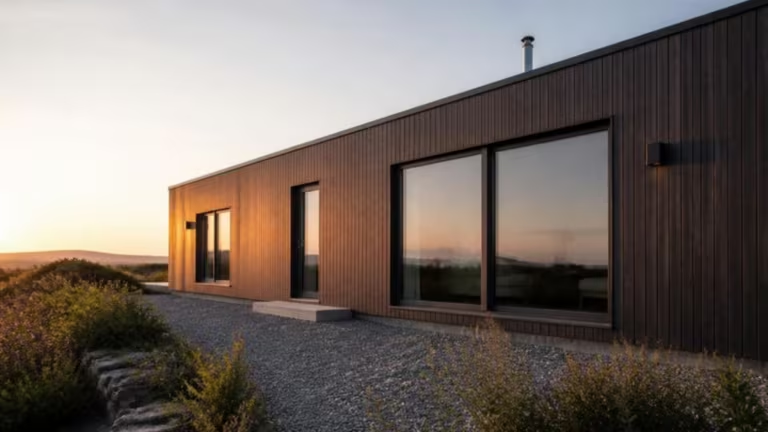
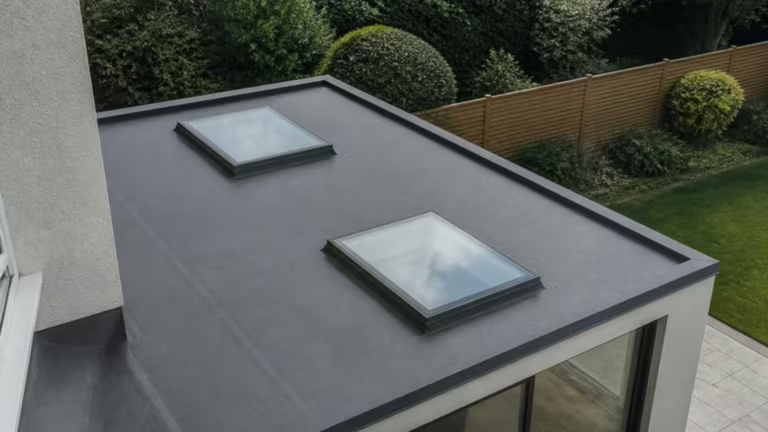
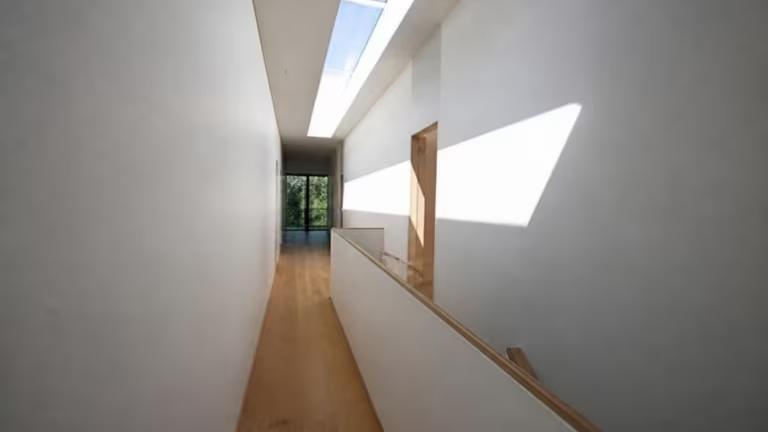
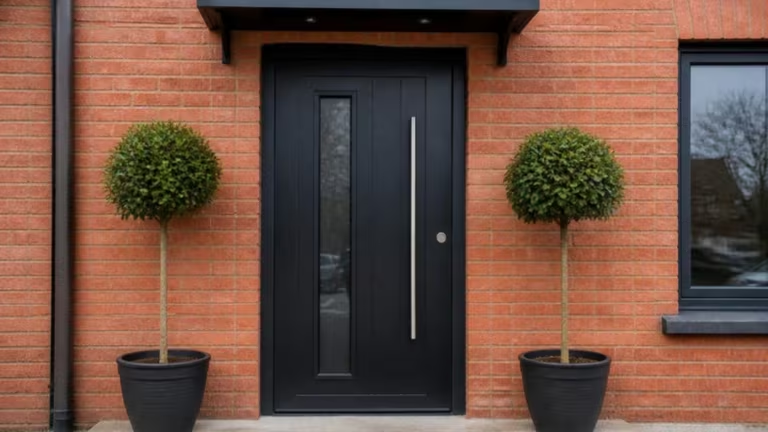
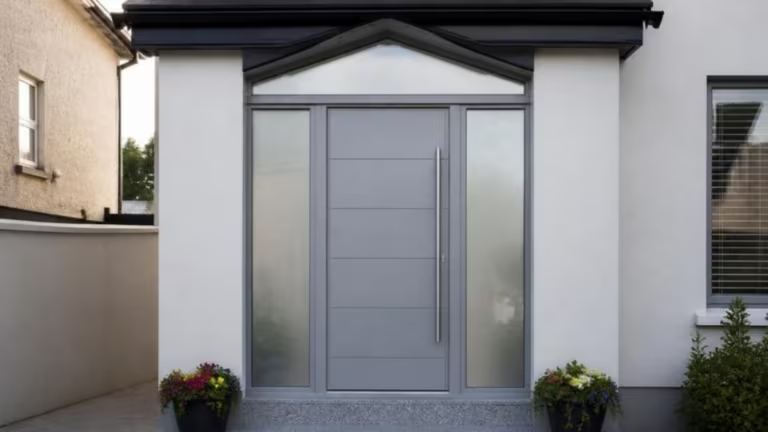
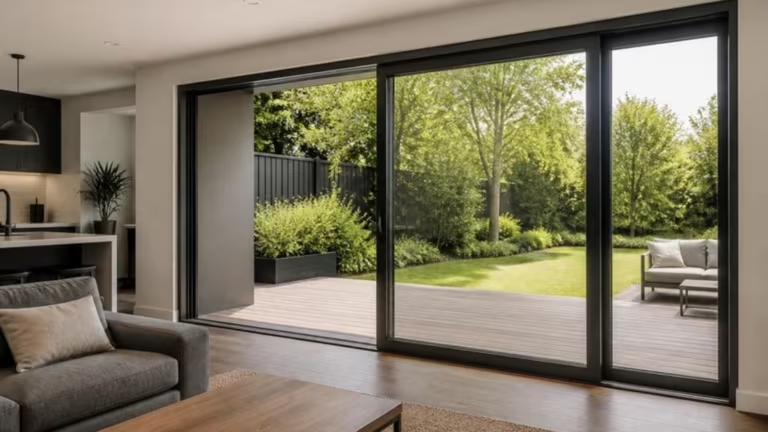
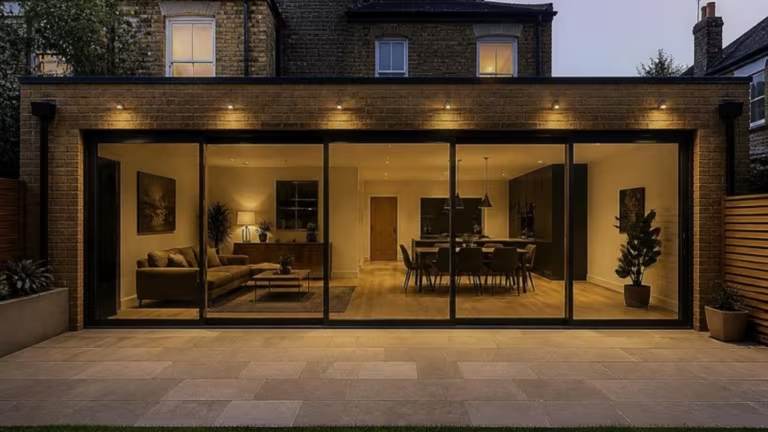
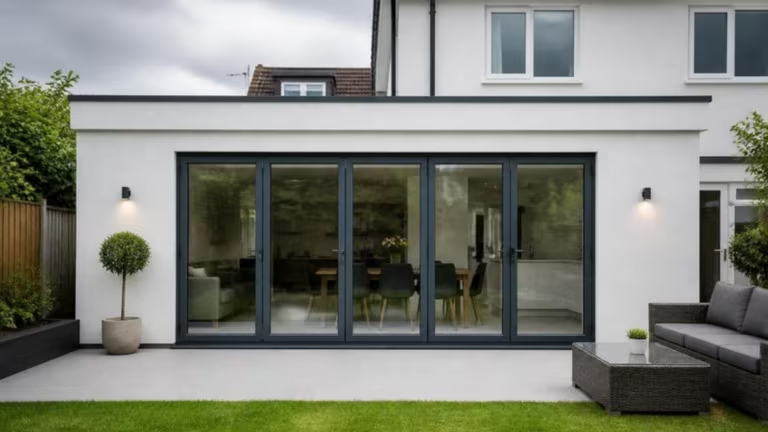
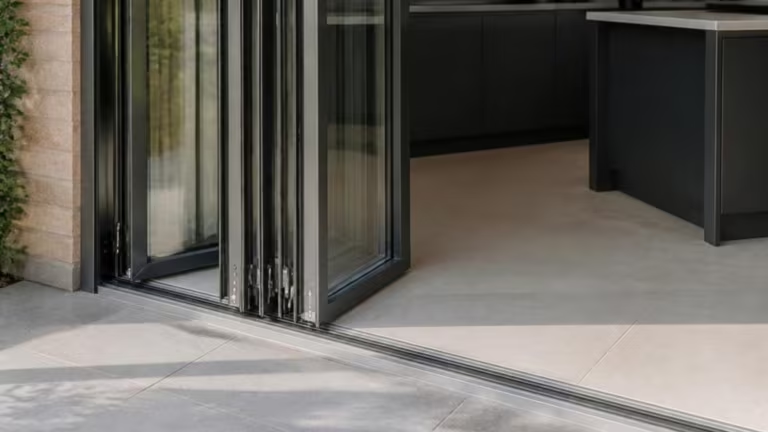
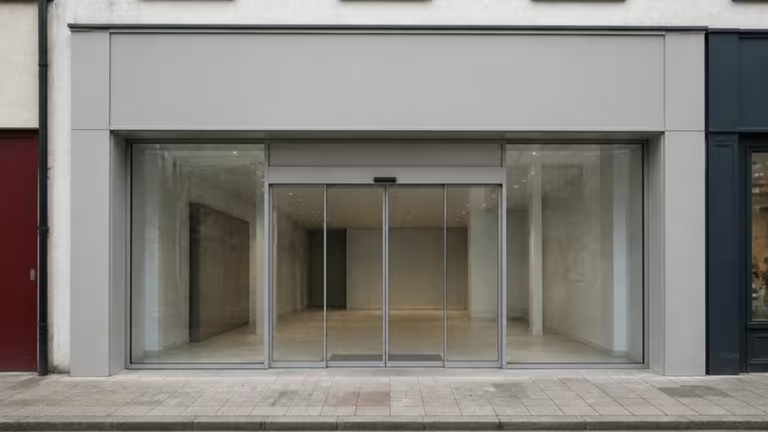
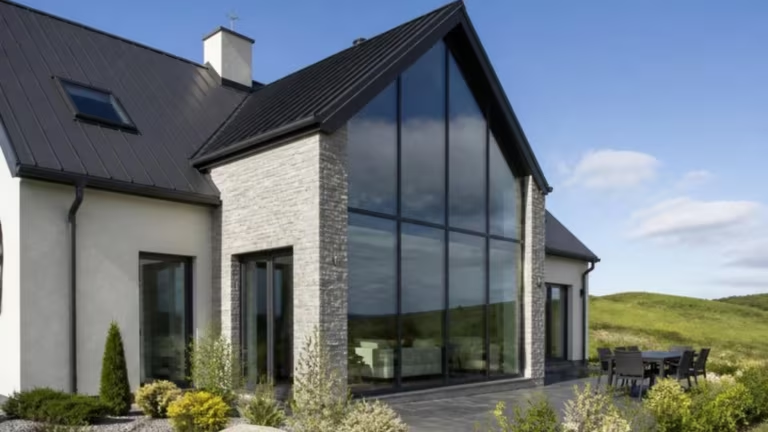
A wide fixed pane beside a slim opening sash keeps the garden view clear. Aluminium windowsBlack frames with glazing bars suit older red-brick houses. Aluminium windowsWhite casements on a pebble-dashed semi-d, with a side-hung sash open. Casement windowsA top-hung vent lets air in while the main pane stays shut. Casement windowsTurned fully inward, both sides of the glass can be cleaned from inside. Tilt & turn windowsTilted at the top, the window ventilates securely on an upper floor. Tilt & turn windowsA wide slider keeps a sea view open, with no sash swinging into the room. Sliding windowsSlim black sliders on a contemporary timber-clad bungalow. Sliding windowsTwo flat rooflights on upstands, so rain runs off the glass. RooflightsA narrow linear rooflight brightens a dark hallway or the join with an extension. RooflightsA black door with a glazed strip and long bar handle on red brick. Front doorsFrosted sidelights light the hall without giving up privacy. Front doorsA three-panel slider opens onto the deck with nothing swinging into the room. Patio sliding doorsLarge lift-and-slide panels across the full width of an extension. Patio sliding doorsClosed, bifolds read as a glass wall; open, they fold to one side. Bifold doorsA low threshold makes the step to the patio almost flush. Bifold doorsFrameless glass entrances give a shopfront a clean, open look. Glass entrances
Pergolas, verandas and porches
Louvred and glass-roof pergolas, verandas, glass rooms, porches and canopies.
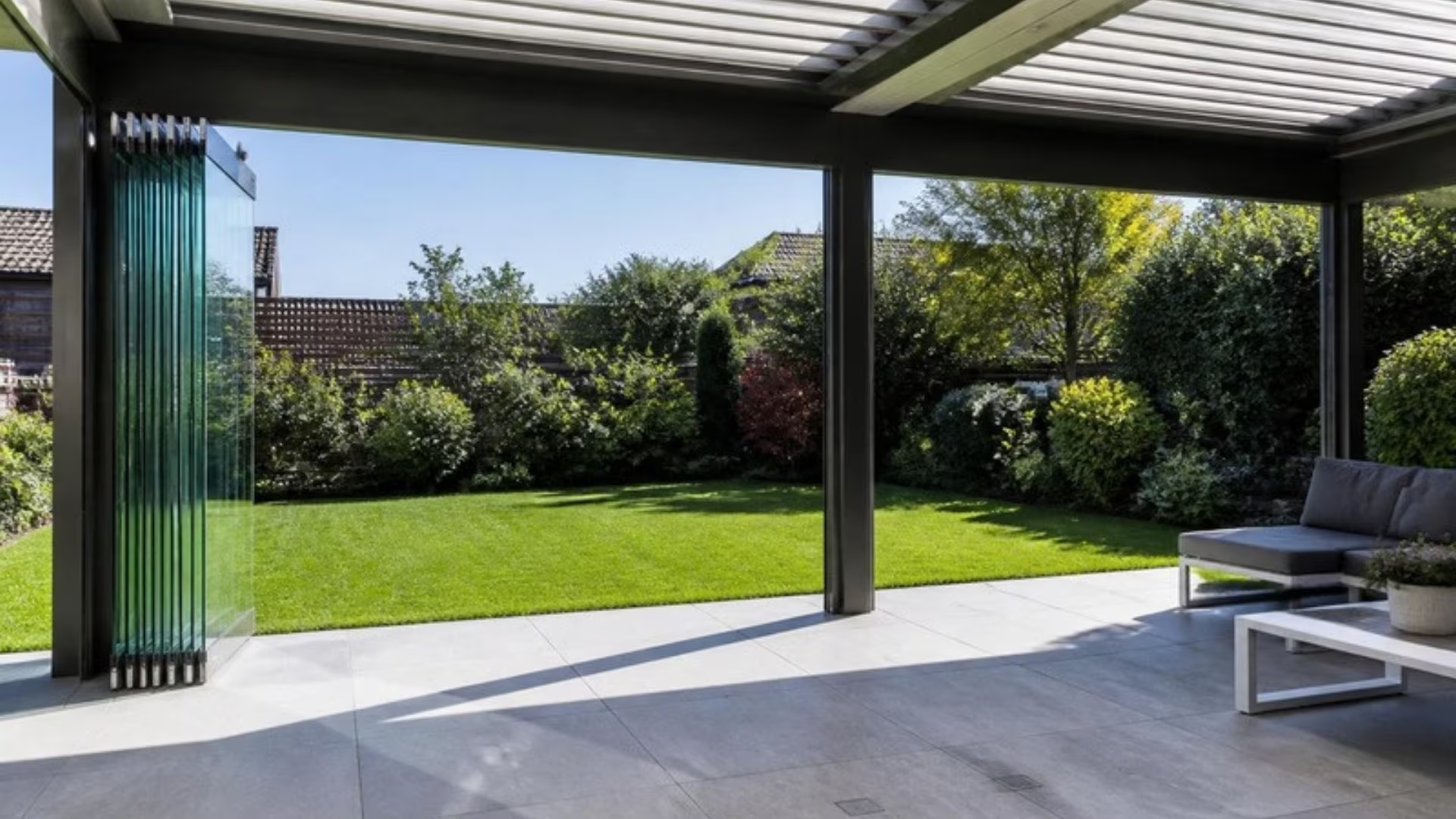
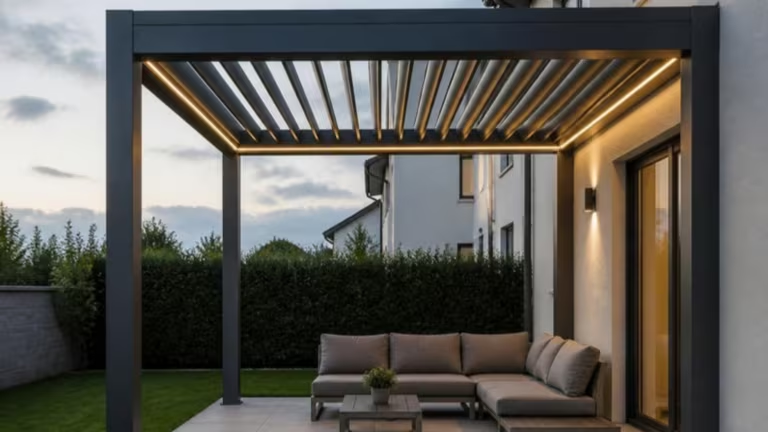
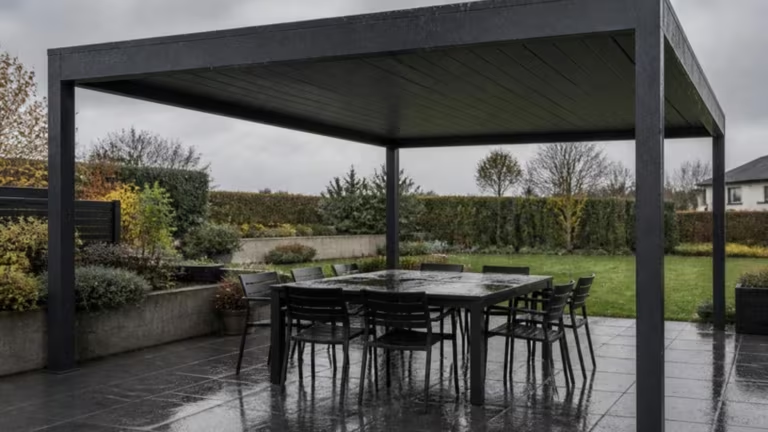
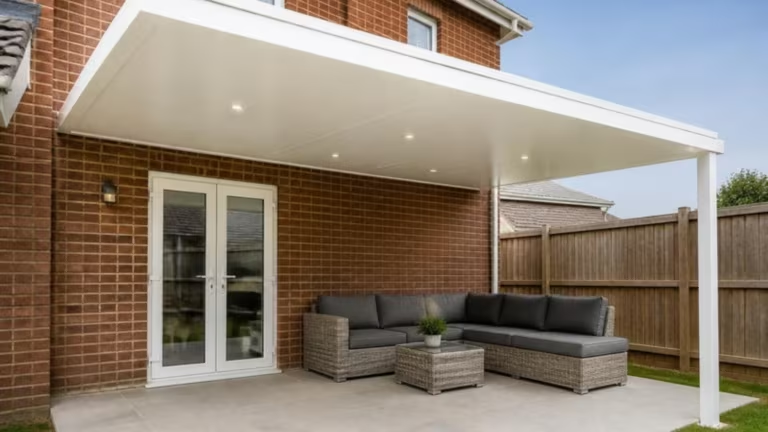
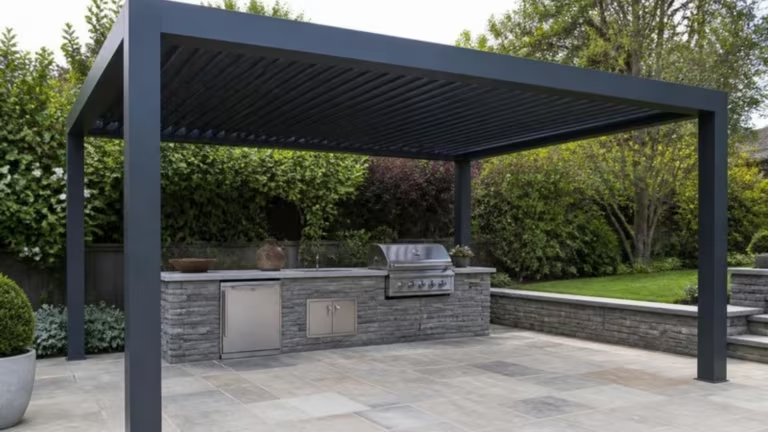
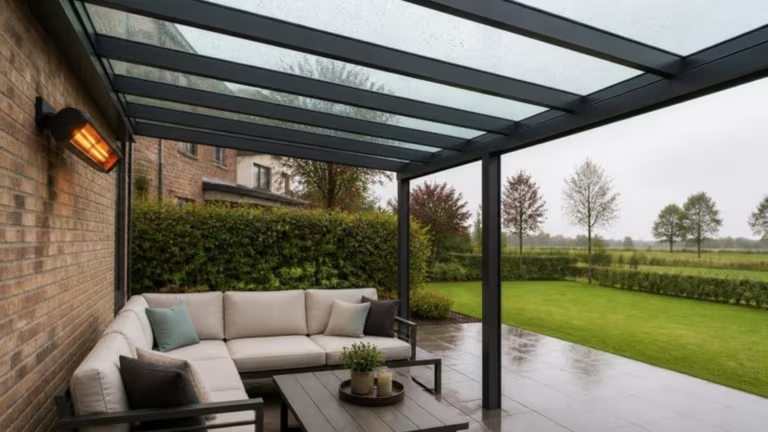
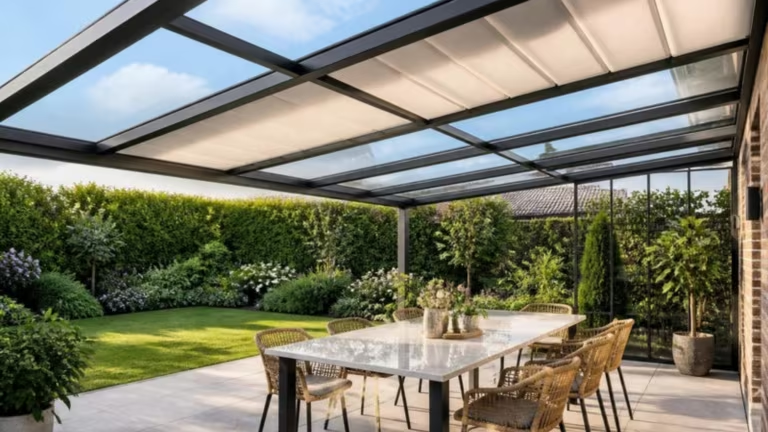
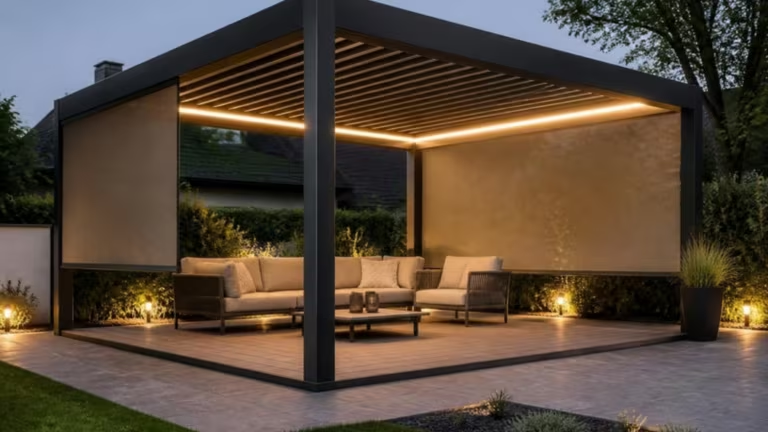
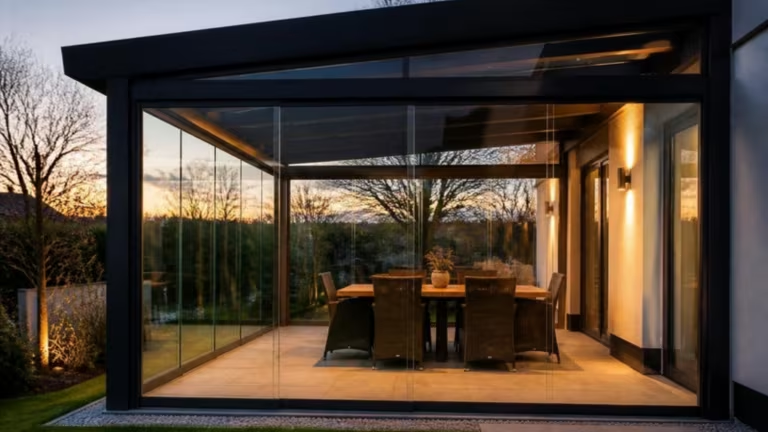
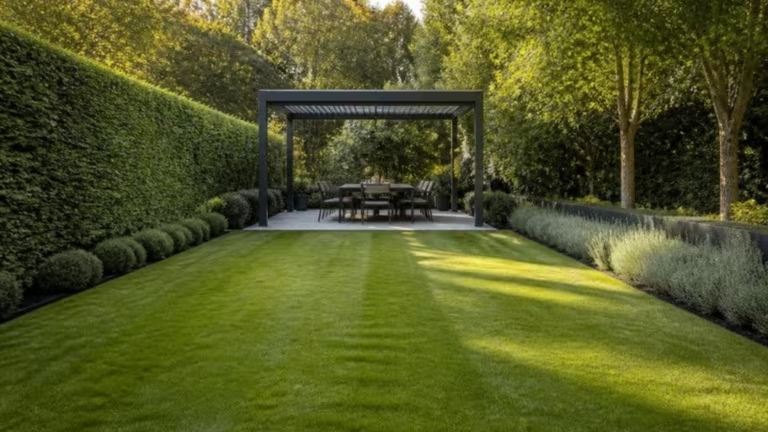
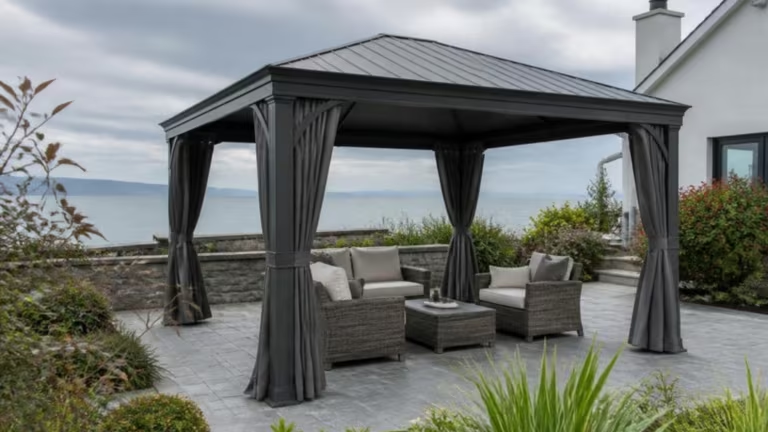
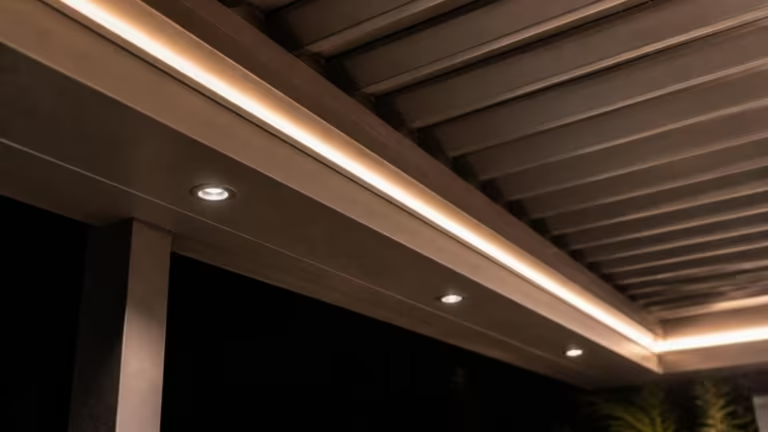
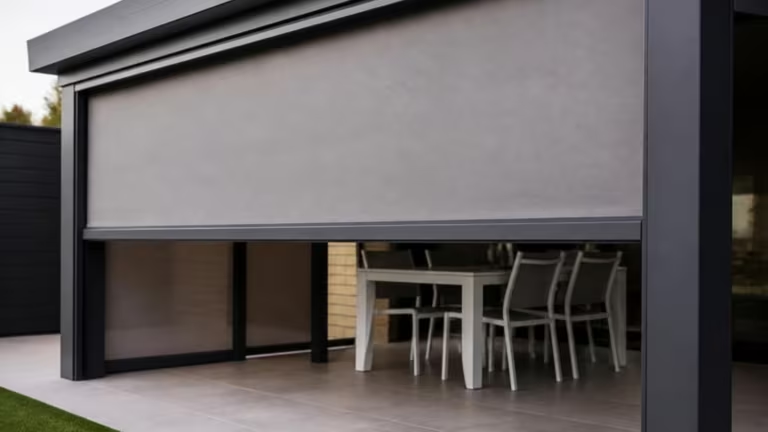
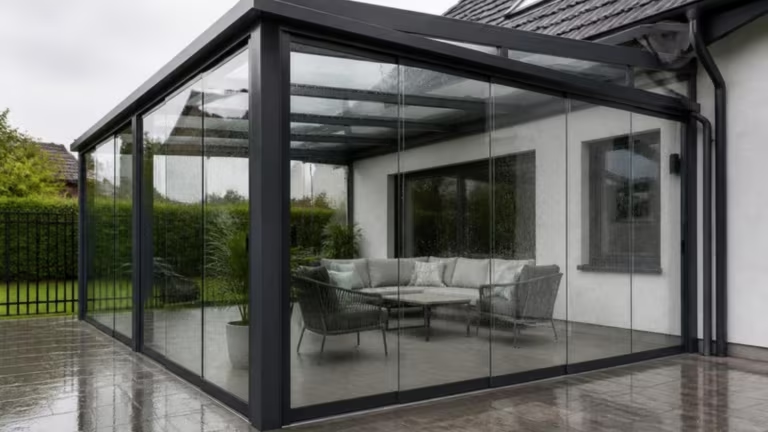
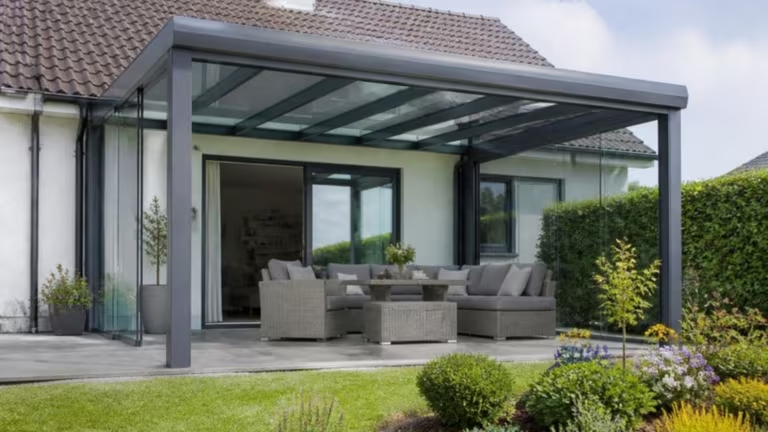
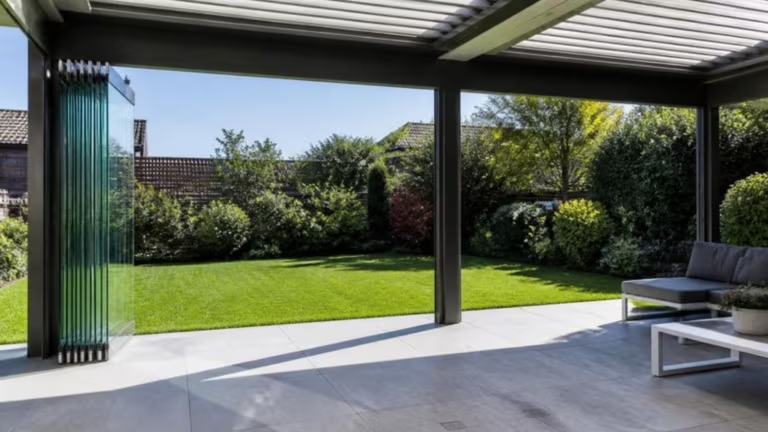
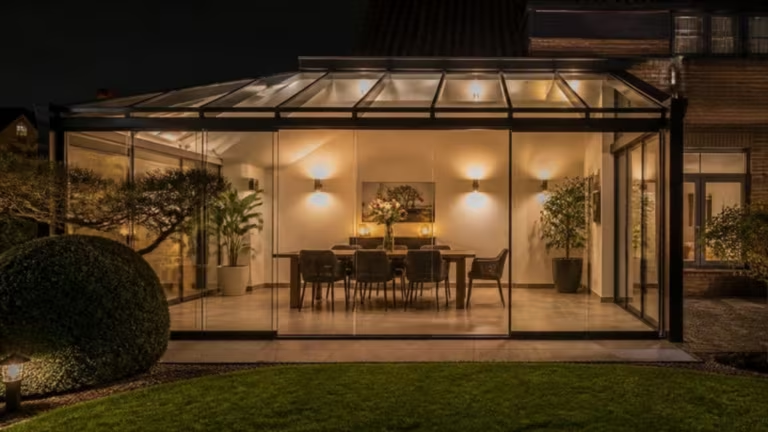
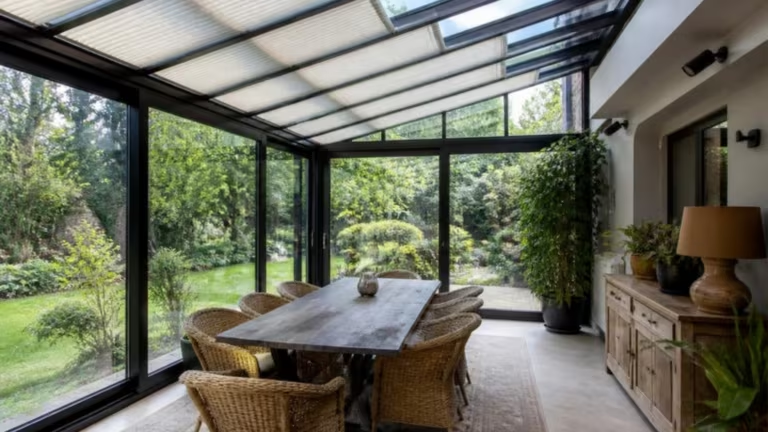
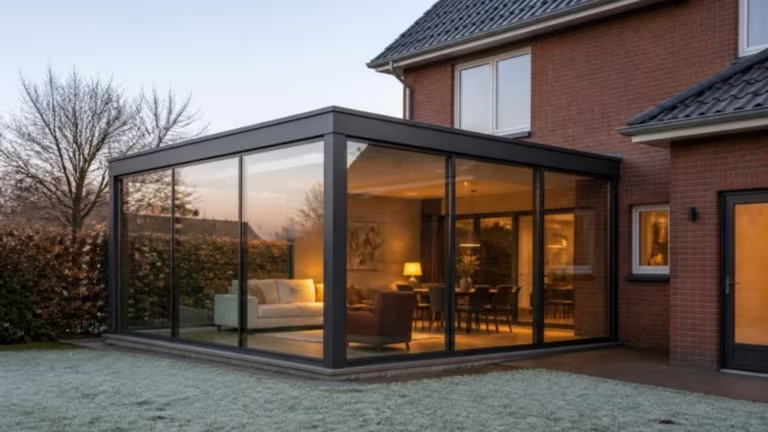
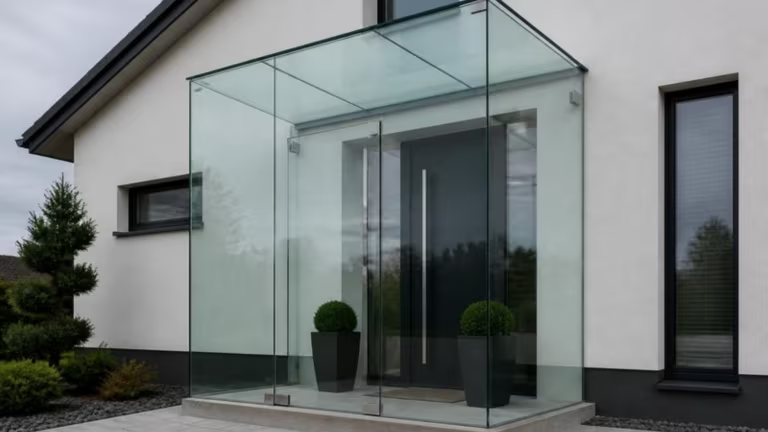
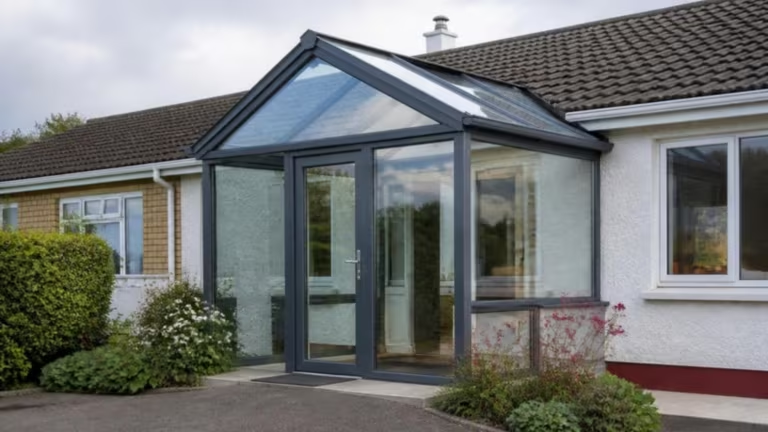
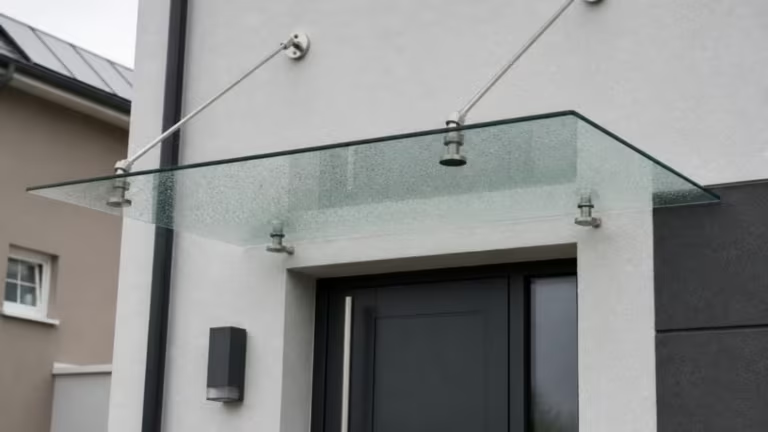
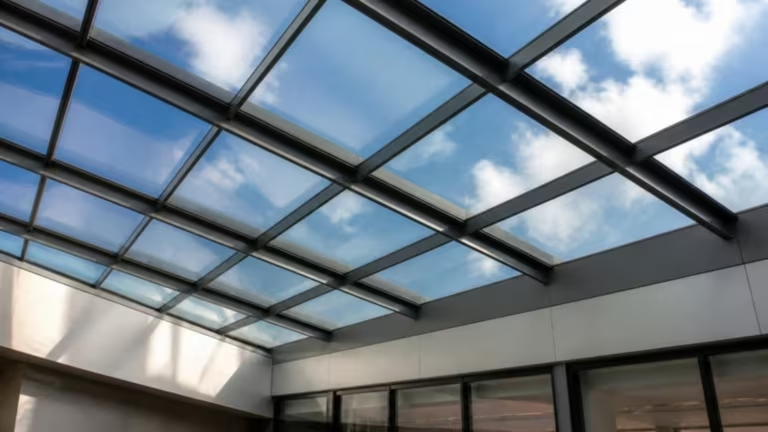
Louvres half open at dusk, with LED strips built into the beams. Motorised pergolasClosed, the louvres keep the table dry and the rain drains through the posts. Motorised pergolasAn insulated solid roof with downlights covers the patio by the back door. Fixed-roof pergolasFixed slats shade an outdoor kitchen with no moving parts. Fixed-roof pergolasUnder a glass roof you keep the daylight and stay dry. Glass-roof pergolasBlinds under the glass take the glare off on bright days. Glass-roof pergolasZip screens on the windward sides make a sheltered outdoor room. Enclosed pergolasSliding glass sides keep the wind out through the winter. Enclosed pergolasA freestanding gazebo makes a spot to sit at the far end of the garden. GazebosSide curtains add shelter in an exposed coastal garden. GazebosDownlights and LED strips are wired inside the beams, so no cables show. Pergola accessoriesThe fabric runs in side channels, so it stays taut in the wind. Pergola accessoriesWith the sliding sides closed, the veranda stays dry on a wet day. Framed verandasFixed glass sides block the wind; the front stays open to the garden. Framed verandasFrameless panels slide and stack to one side to open it up fully. Frameless verandasAt night the frameless glass almost disappears. Frameless verandasA glass room as a garden dining room, with roof blinds for sunny days. Glass roomsHeated and lit, a glass room stays usable on winter evenings. Glass roomsA frameless porch adds a draught lobby without hiding the front door. Glass porchesA framed porch with a pitched glass roof suits an older bungalow. Glass porchesA glass canopy keeps the rain off the step without darkening the door. Glass canopies
Gardens, gates and boundaries
Garden rooms, decking, bin stores, roller shutters, fencing, gates and balustrades.
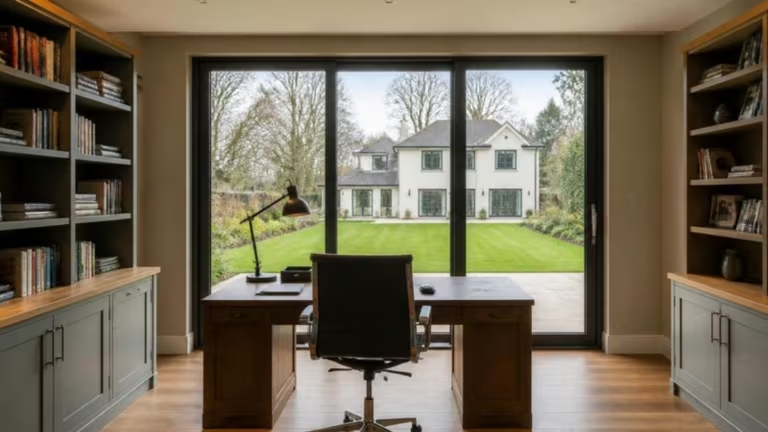
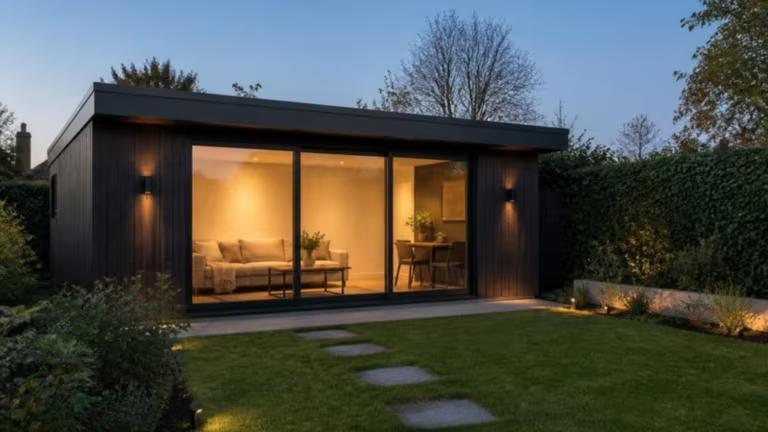
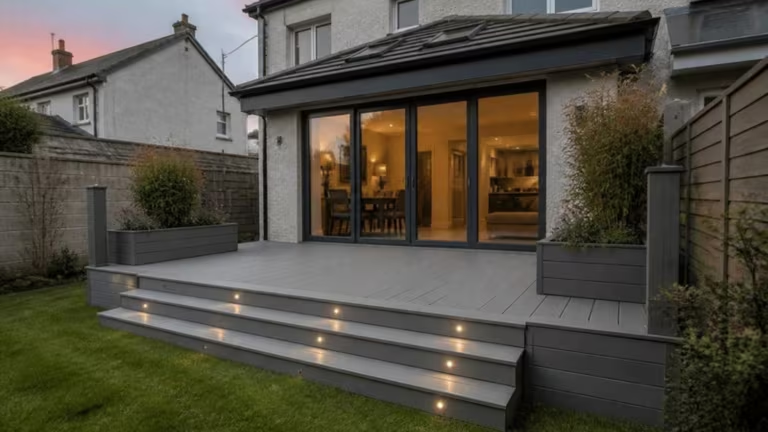
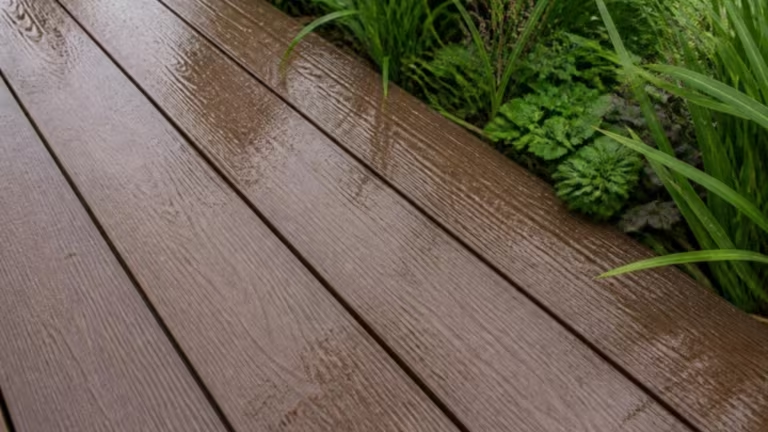
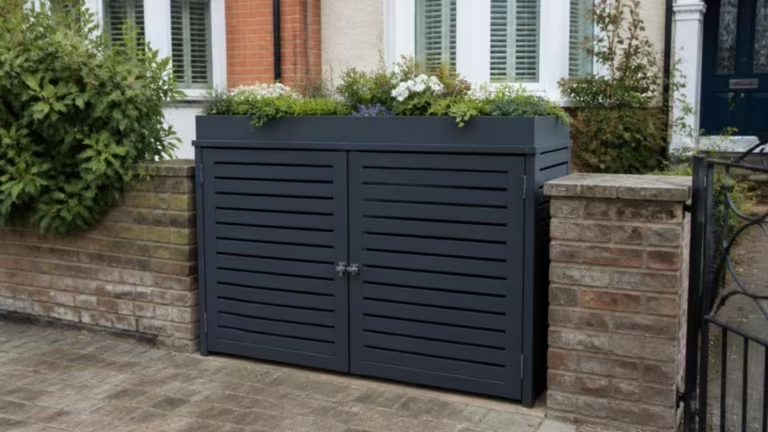
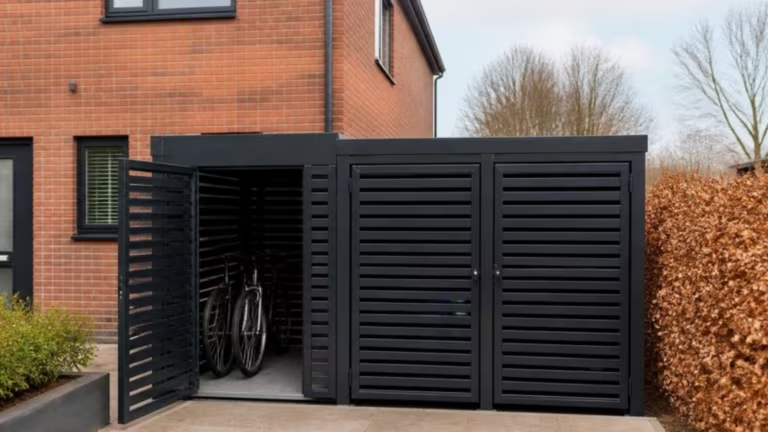
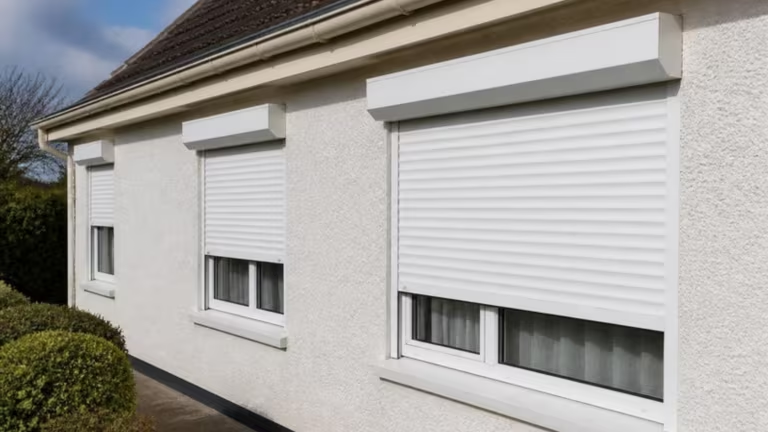
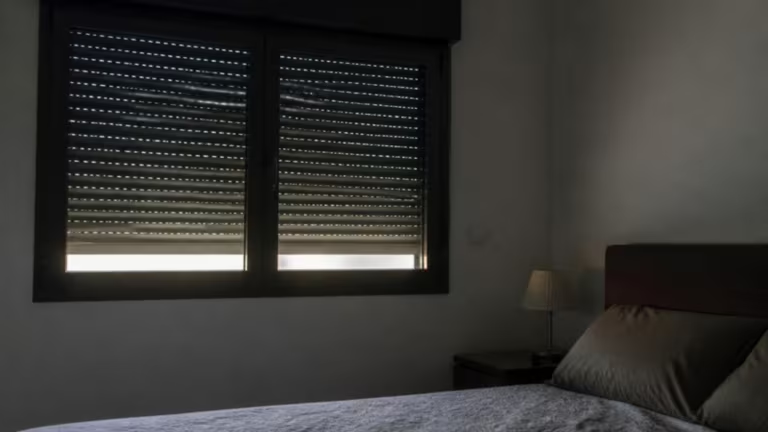
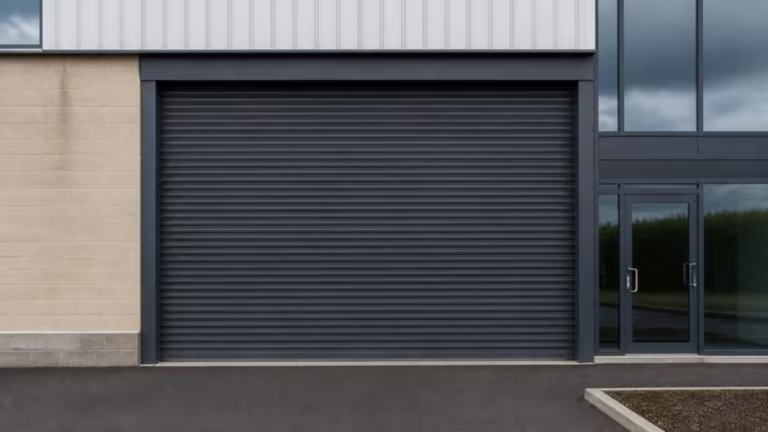
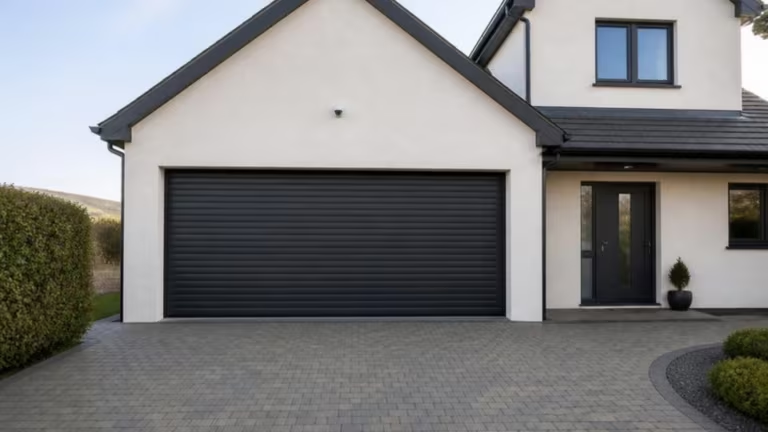
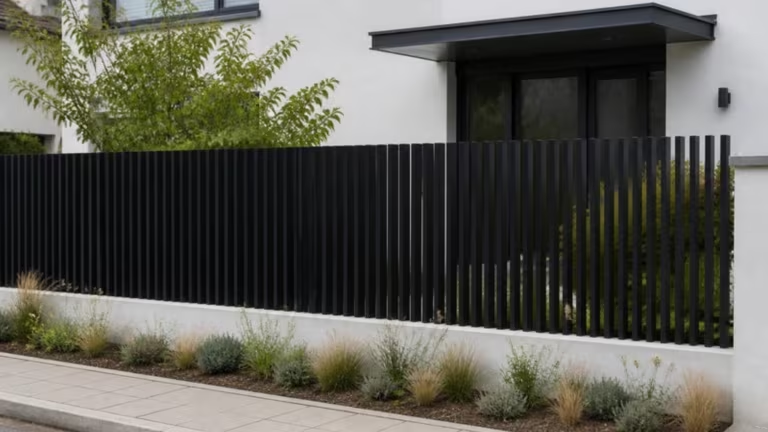
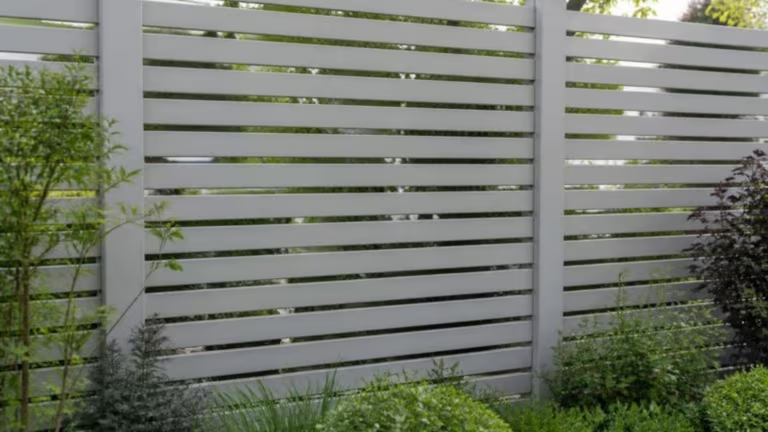
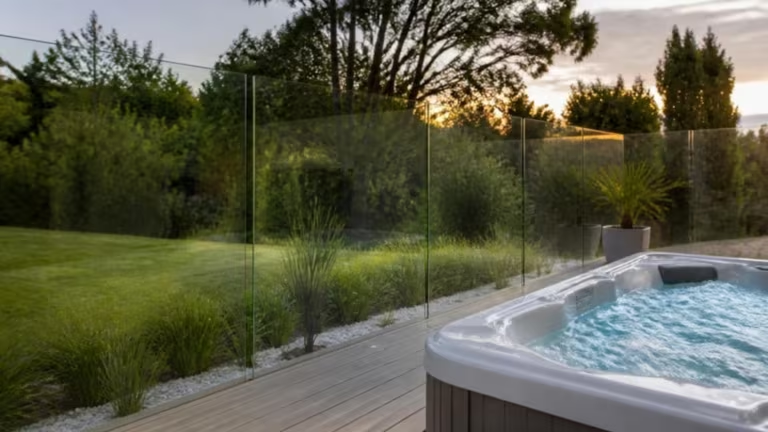
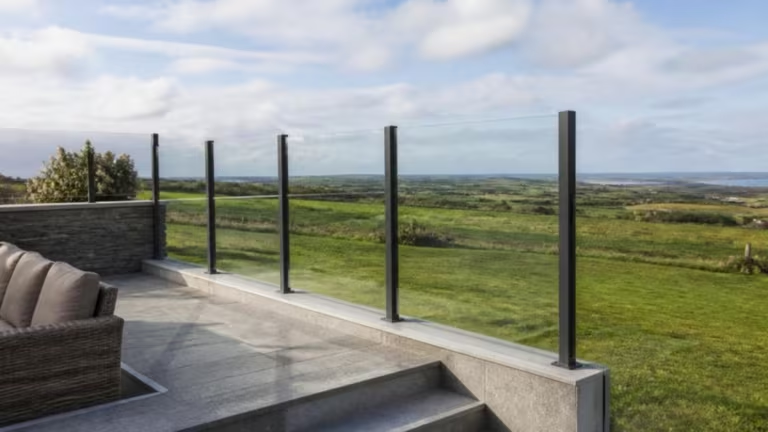
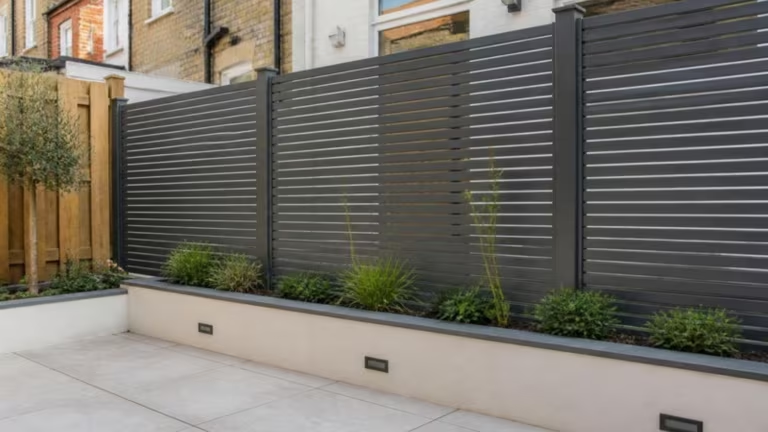
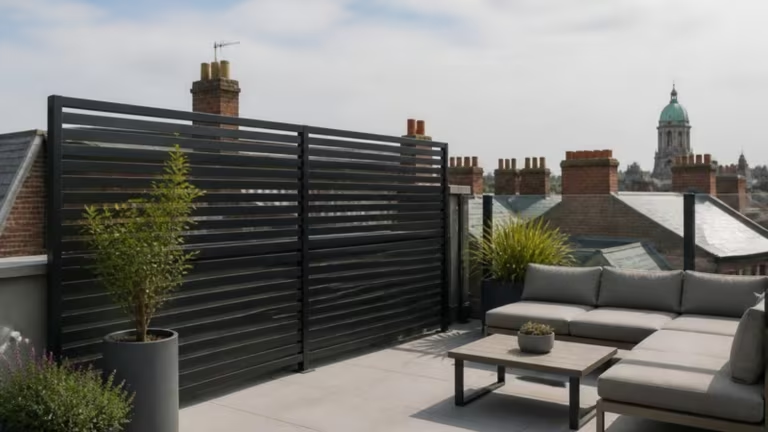
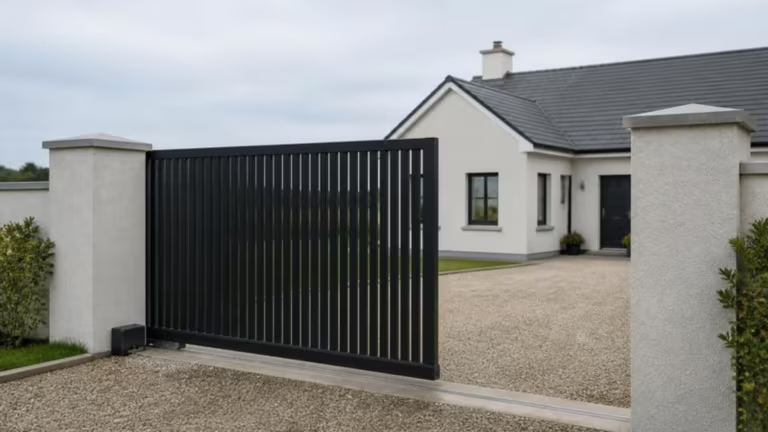
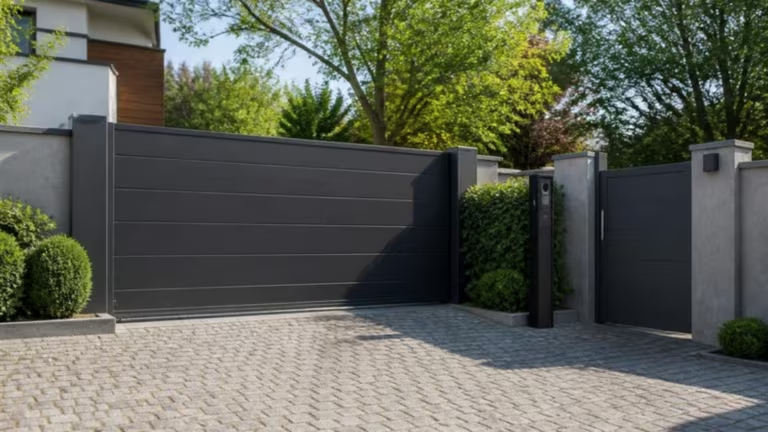
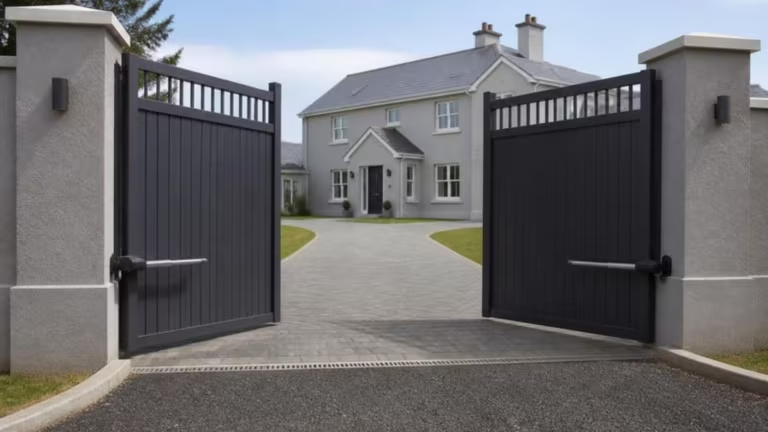
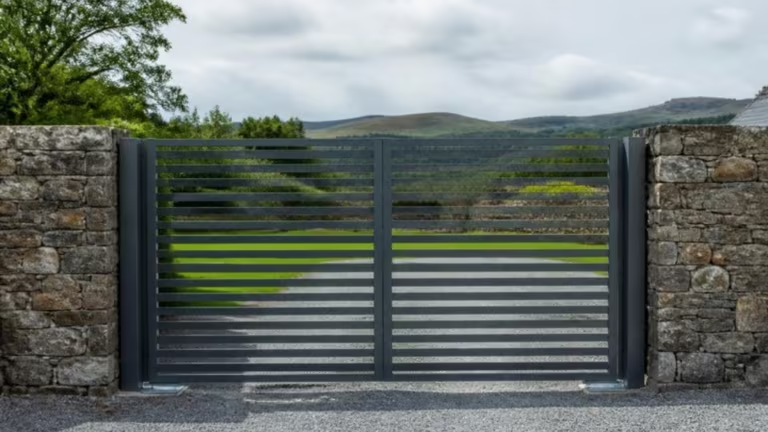
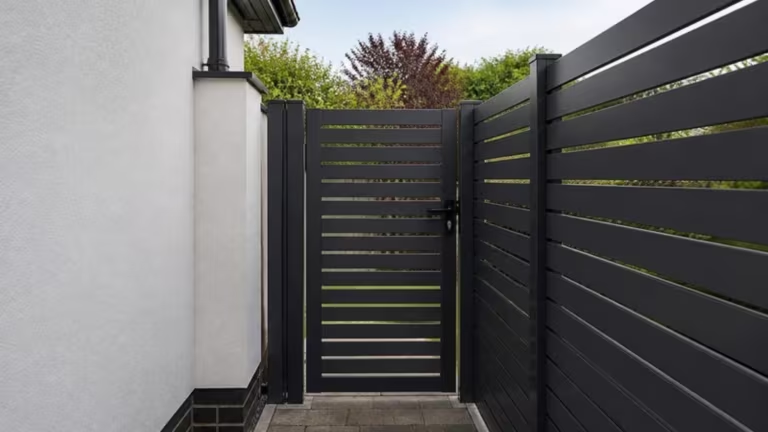
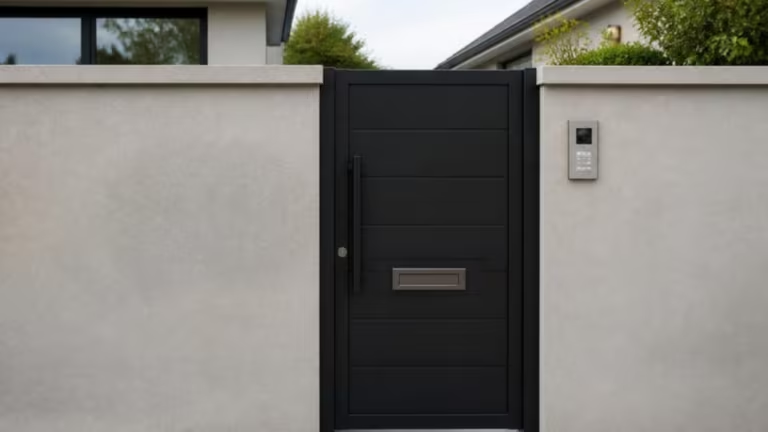
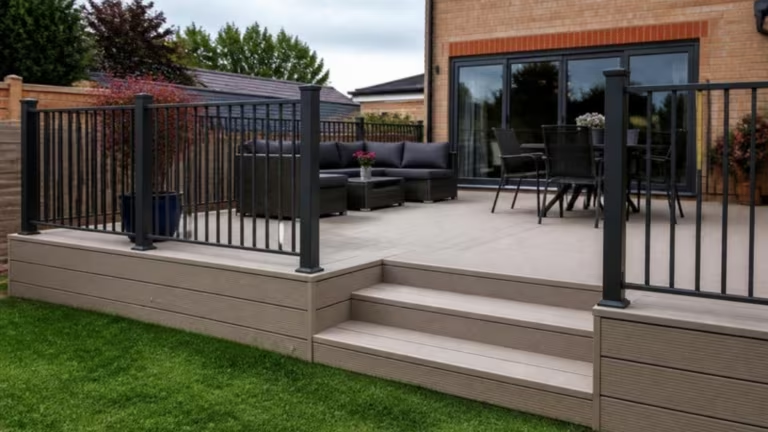
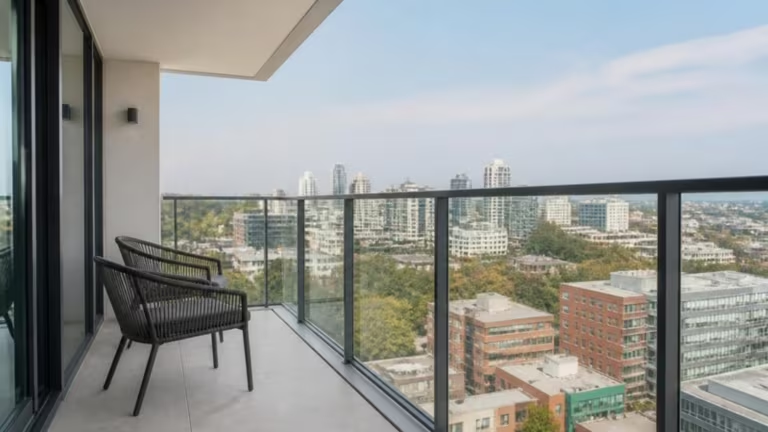
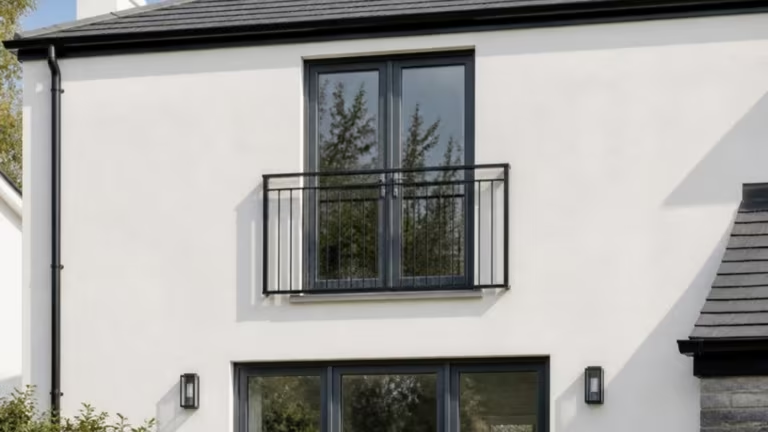
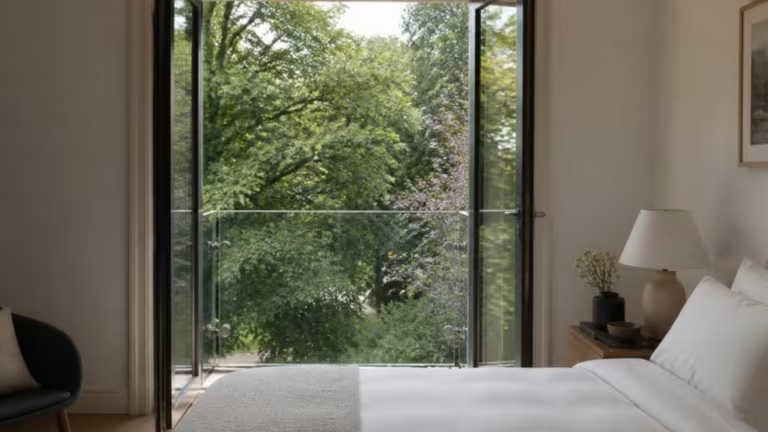
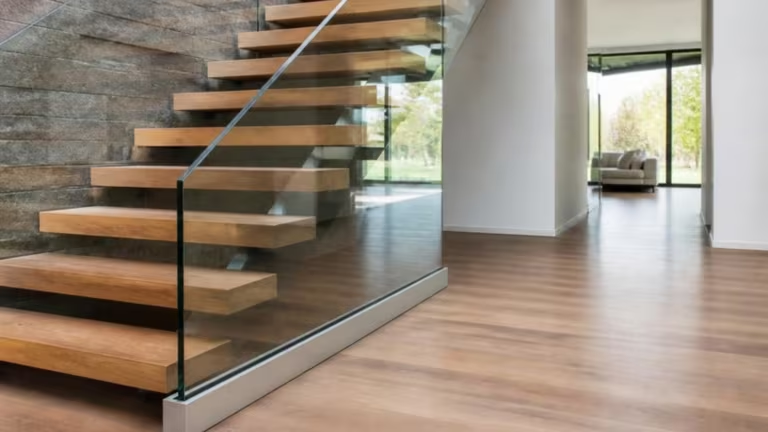
A garden room set up as a home office, looking back to the house. Garden roomsAluminium sliding doors on a timber-clad garden room at dusk. Garden roomsLED step lights make deck steps safe after dark. DeckingWood-grain boards with hidden fixings, just after a shower. DeckingA planter lid softens a two-bin store in a small front garden. Bin storesBins and bikes stored side by side behind matching slatted doors. Bin storesHalf closed, shutters cut the glare; fully closed, they black the room out. Electric roller shuttersClosed from a wall switch or an app, the shutter blacks out the room. Electric roller shuttersA solid shutter closes a commercial unit out of hours. Security shuttersAn insulated roller door secures a garage without swinging over the drive. Security shuttersVertical slats give a front boundary a crisp, modern look. Slatted aluminium fencingEven gaps let some light and air through while screening the garden. Slatted aluminium fencingFrameless glass shelters a hot tub without blocking the view. Glass fencingA glass windbreak blocks the wind on an exposed patio but keeps the view. Glass fencingA slatted screen between terraced gardens gives the patio privacy. Privacy screensOn a roof terrace, a screen blocks overlooking and some of the wind. Privacy screensA sliding gate runs along the boundary, so it needs no swing space. Electric sliding gatesA matching pedestrian gate saves opening the main gate for every visitor. Electric sliding gatesAutomatic arms open the gates inward onto a level drive. Swing gatesHorizontal slats suit a wide rural entrance between stone walls. Swing gatesA side gate matched to the fence secures the path to the back. Pedestrian gatesA pedestrian gate can include a letterbox and an intercom. Pedestrian gatesBars spaced so a 100 mm sphere cannot pass keep a raised deck safe. Aluminium balustradesA framed glass balustrade keeps the balcony view open. Aluminium balustradesAn aluminium bar Juliet balcony across first-floor French doors. Juliet balconiesFrom inside, a glass Juliet balcony barely interrupts the view. Juliet balconiesA frameless glass balustrade keeps a staircase open and bright. Balustrades
Interiors, kitchens and bathrooms
Glass partitions and doors, splashbacks, cabinet fronts, mirror walls, showers and bath screens.
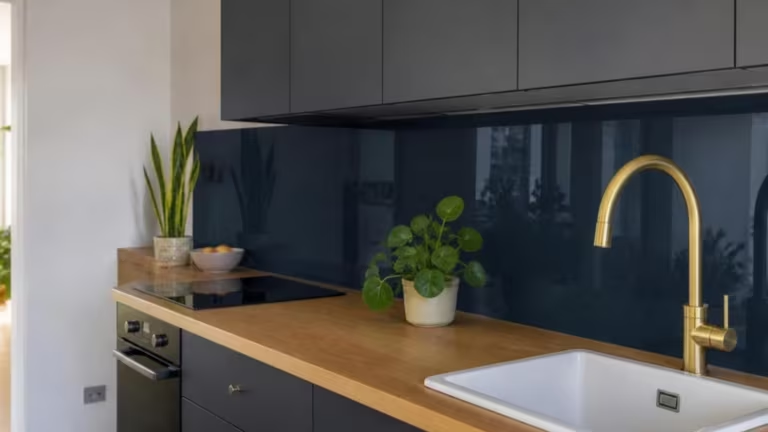
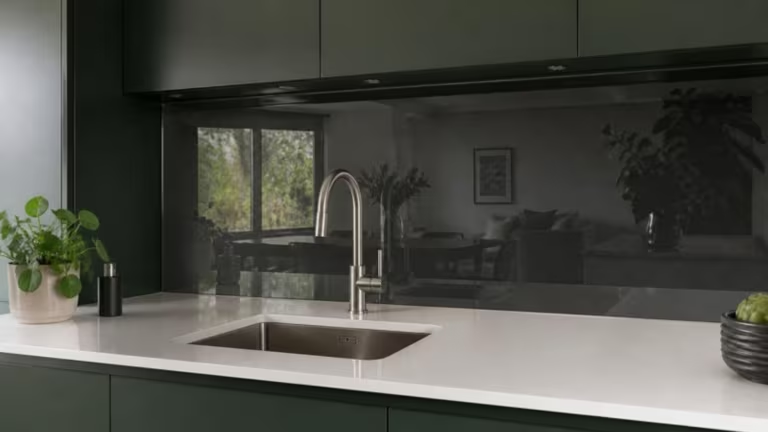
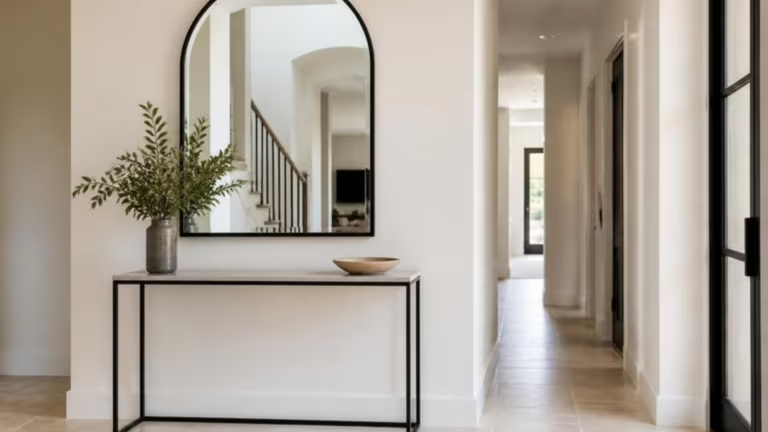
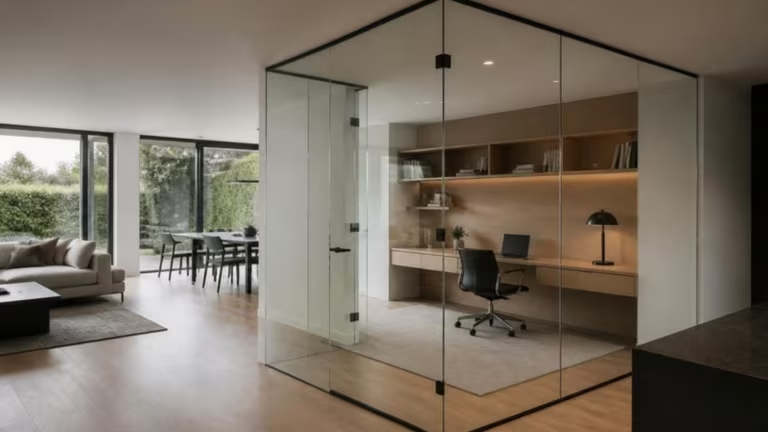
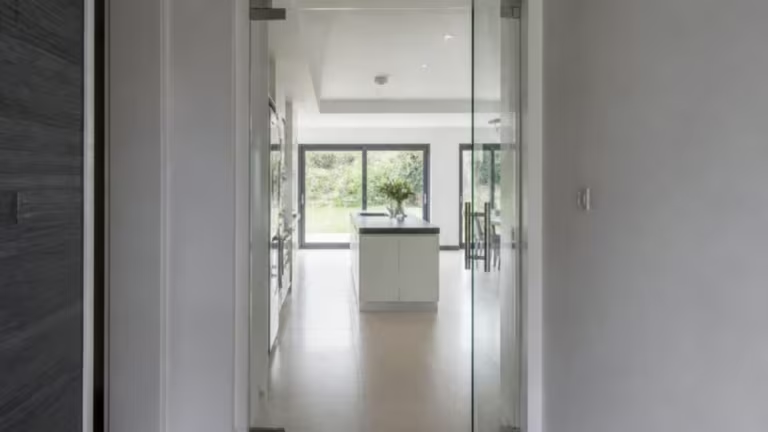
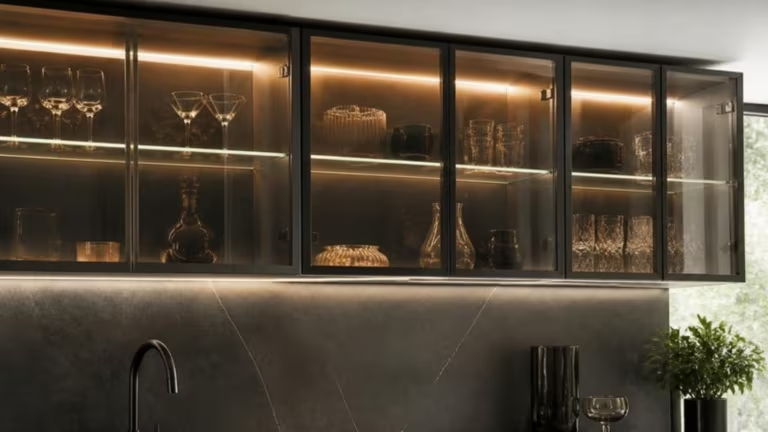
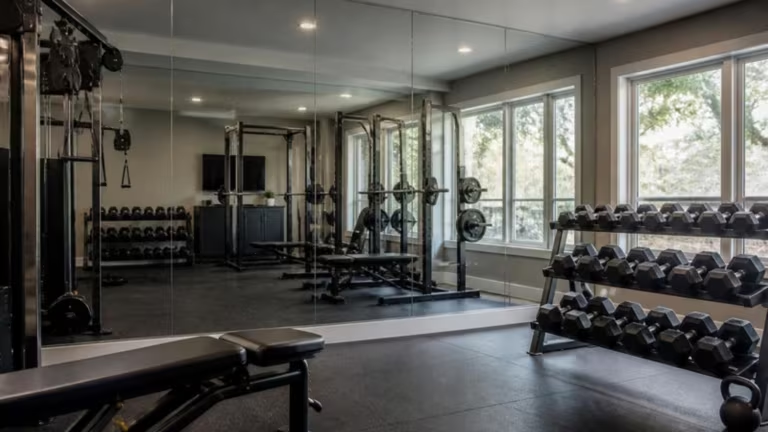
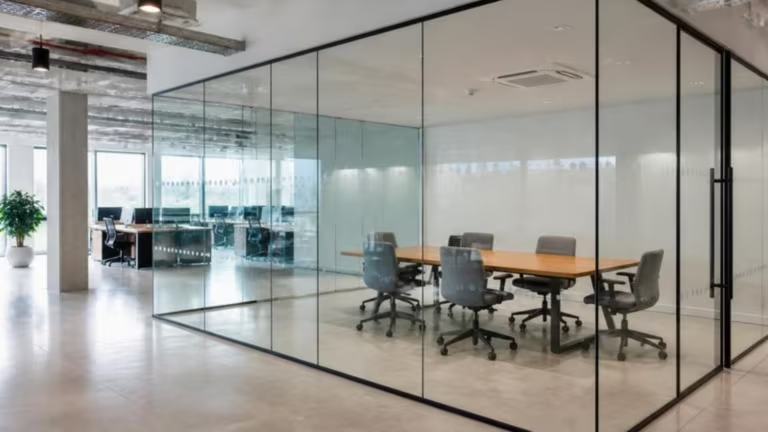
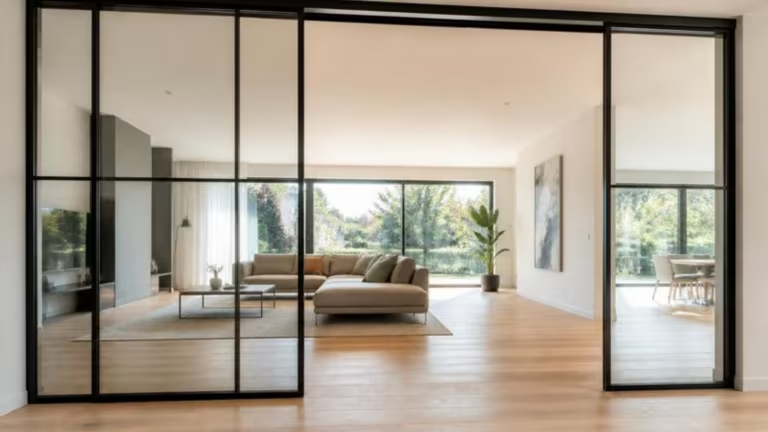
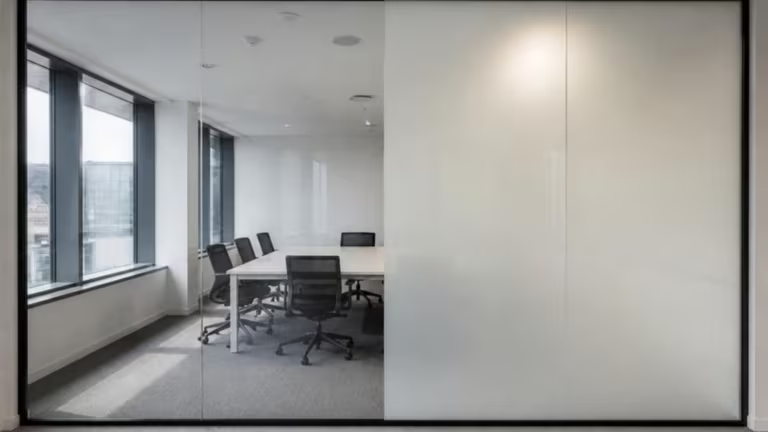
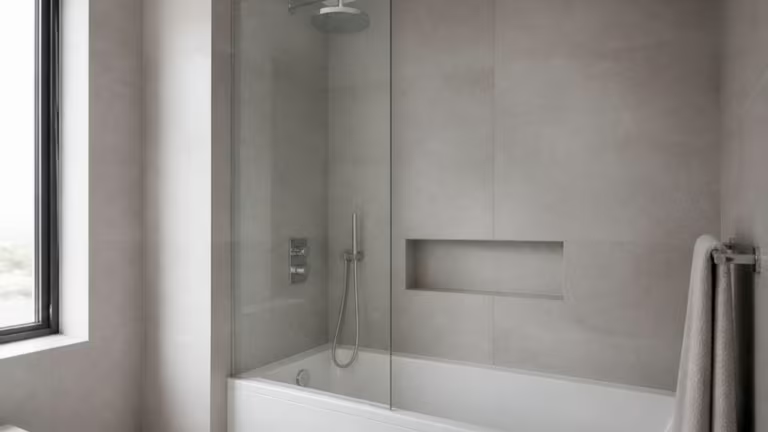
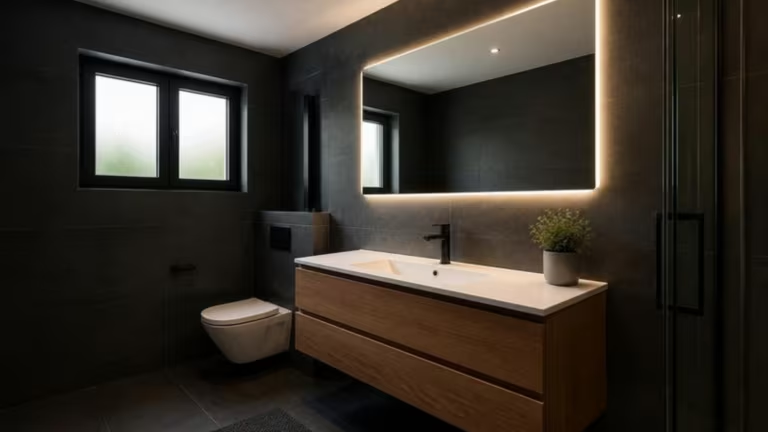
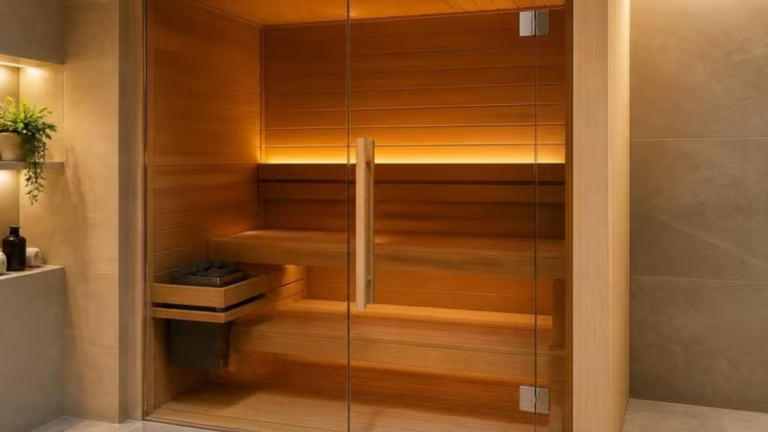
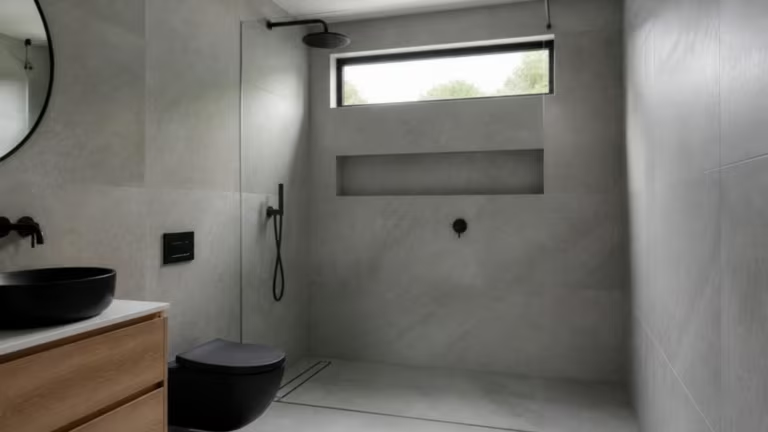
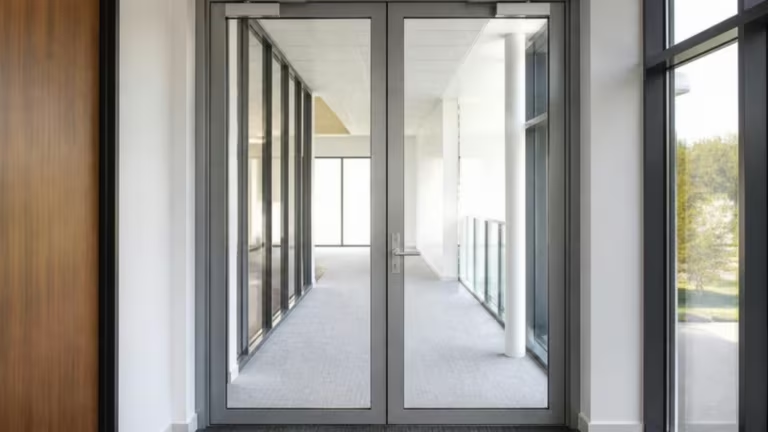
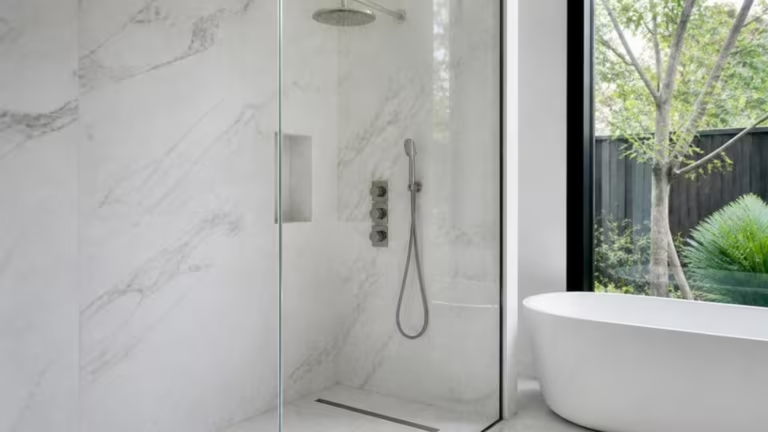
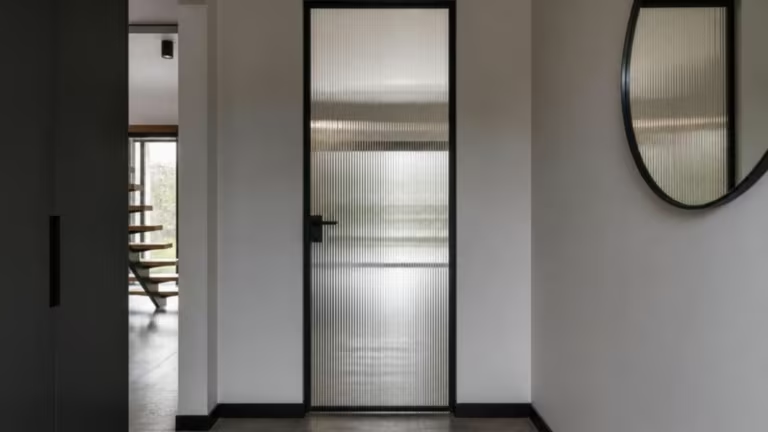
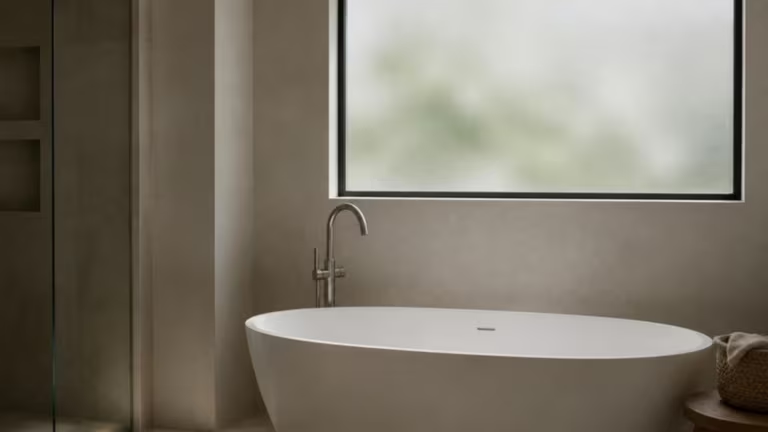
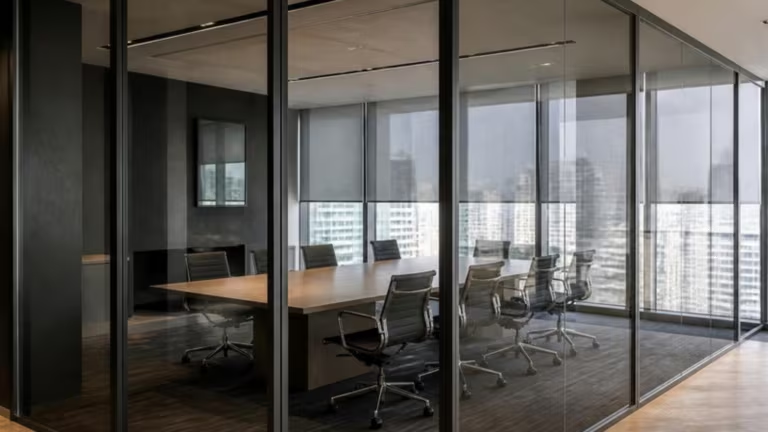
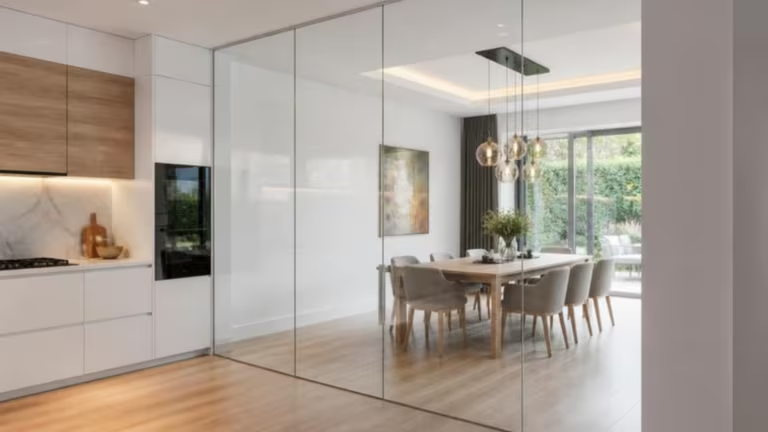
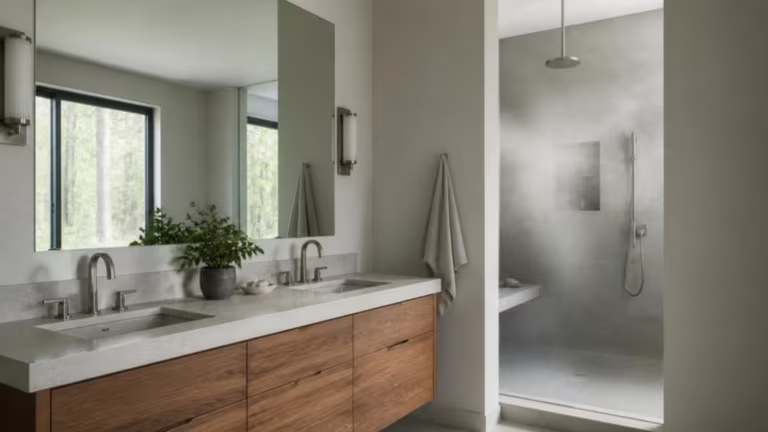
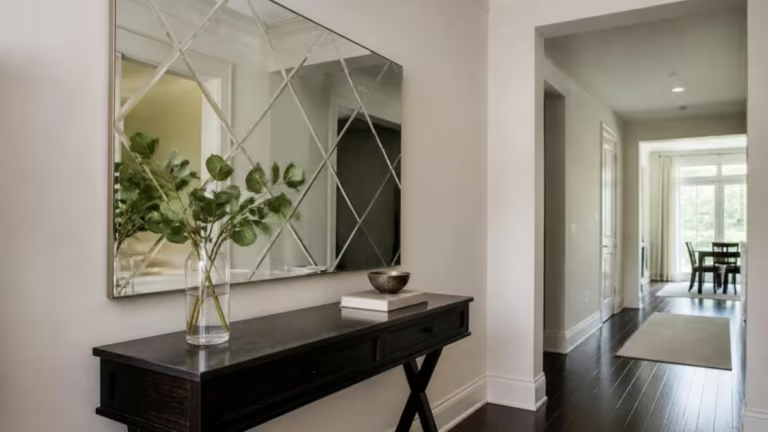
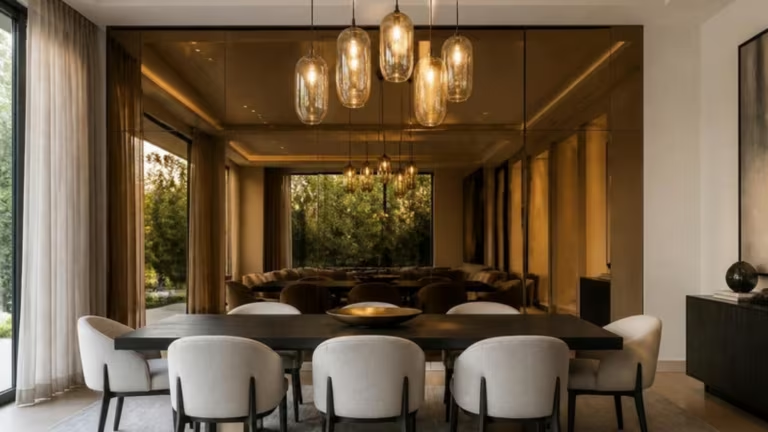
Socket cut-outs are made before toughening, so the glass fits around them. Glass splashbacksA smoked mirror splashback adds depth to a narrow kitchen. Glass splashbacksA framed mirror made to measure for a hallway. Framed mirrorsA frameless partition makes a quiet office corner without blocking light. Frameless glass partitionsA frameless glass door lets daylight through to a dark hallway. Glass doorsGlass cabinet fronts show off what is inside and lighten a run of units. Kitchen furniture frontsMirror cladding makes a home gym feel bigger. Mirror wall claddingGlass meeting rooms keep an office open; manifestation makes the glass easy to see. Office glass partitionsSliding partitions divide a room with no door swing to plan around. Sliding glass partitionsSwitchable smart glass goes from clear to private at the flick of a switch. Smart glassA fixed bath screen keeps the floor dry without a curtain. Bath screensAn LED mirror lights the face evenly and can include a demister pad. LED mirrorsSauna doors use toughened glass that copes with the heat. Sauna steam room doorsA walk-in screen with matt black fittings and a wall-to-glass support bar. Shower enclosures
Glass and mirrors
The glass and mirror types we cut and process, shown in the places they are typically used.
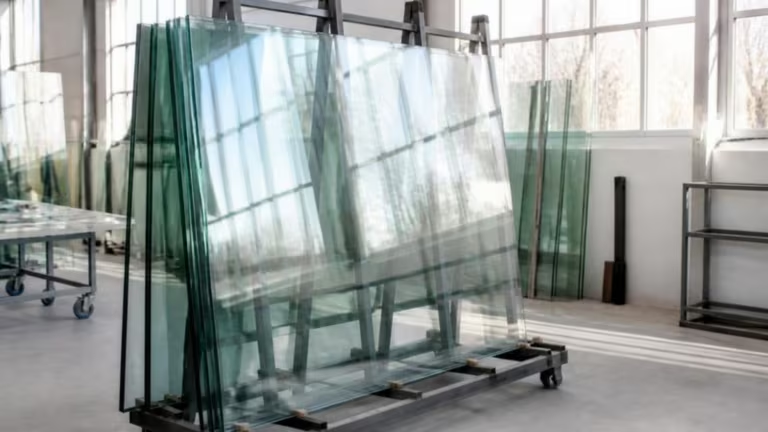
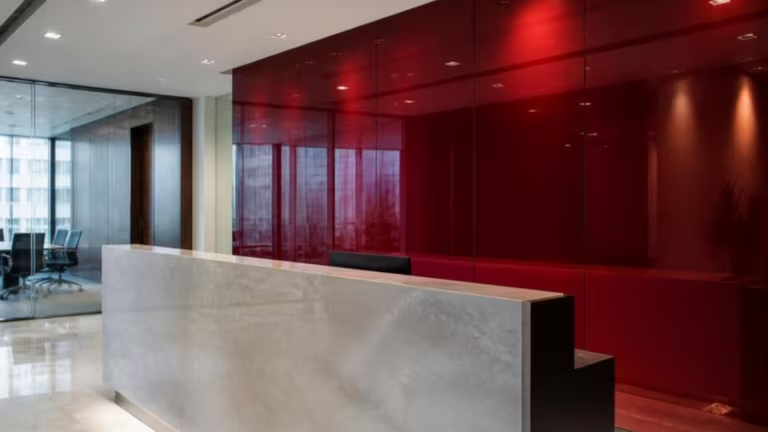
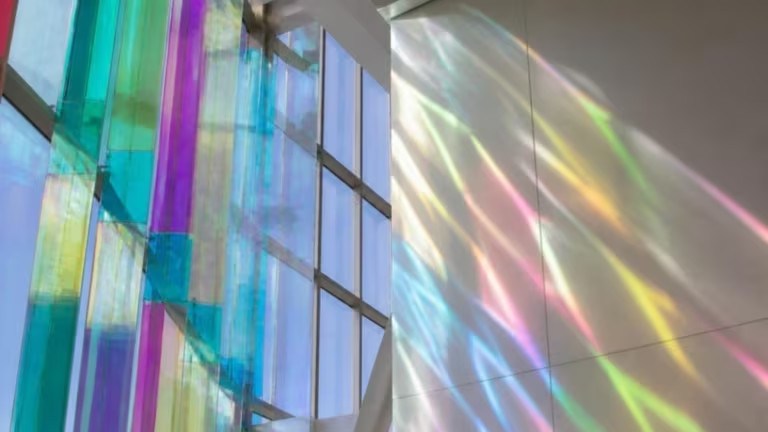
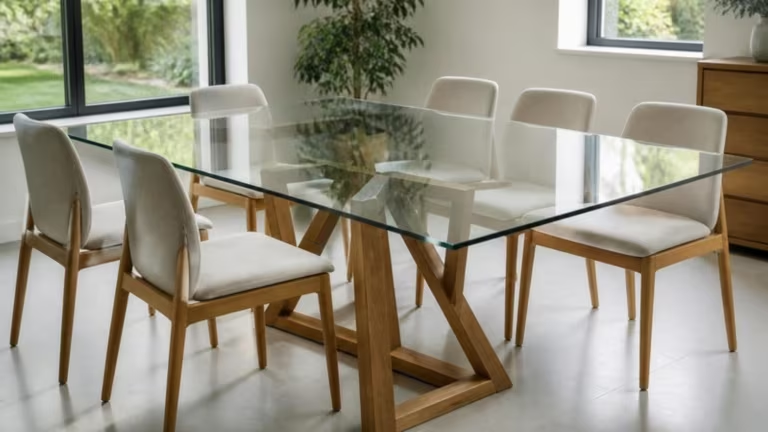
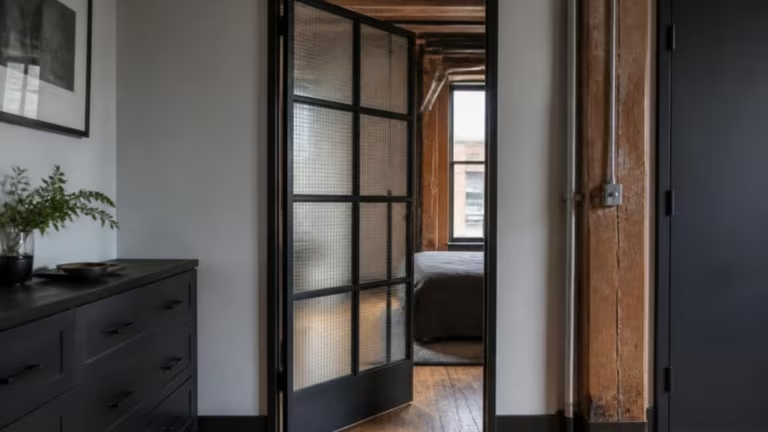
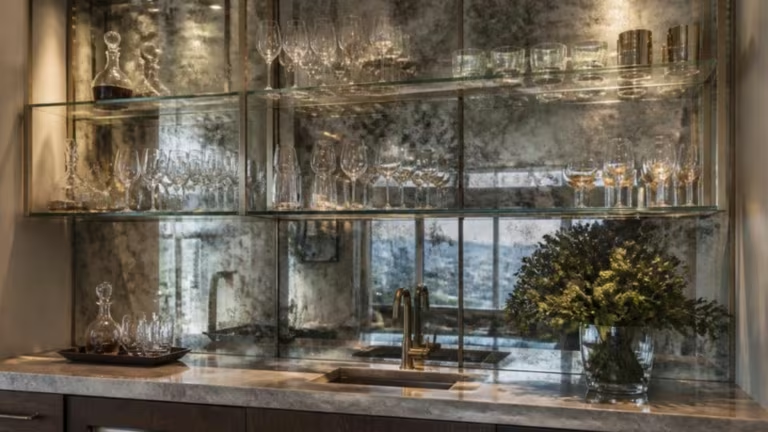
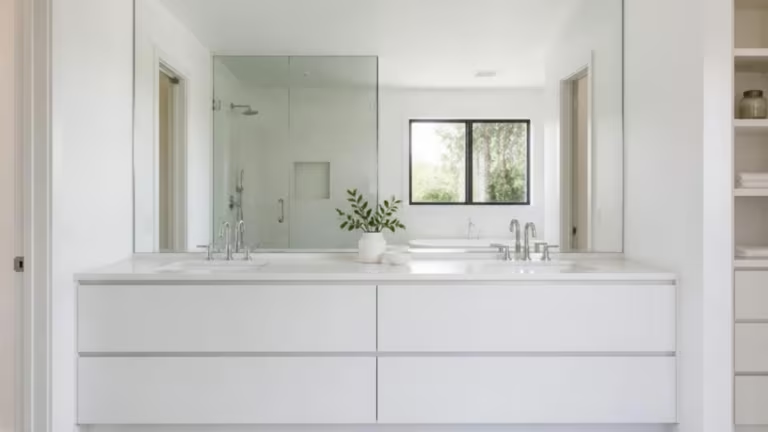
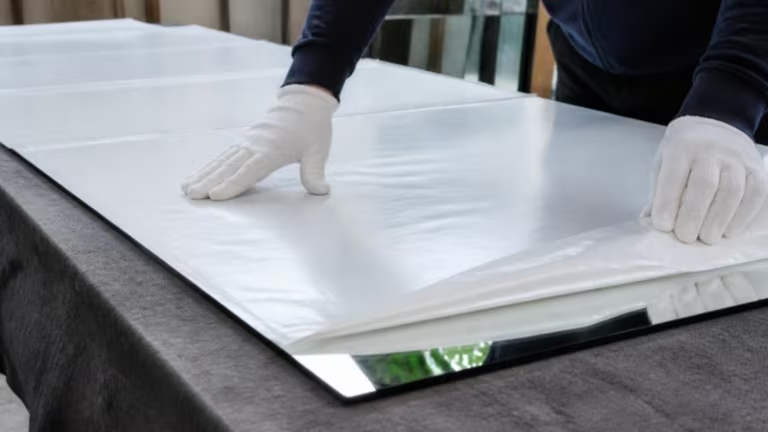
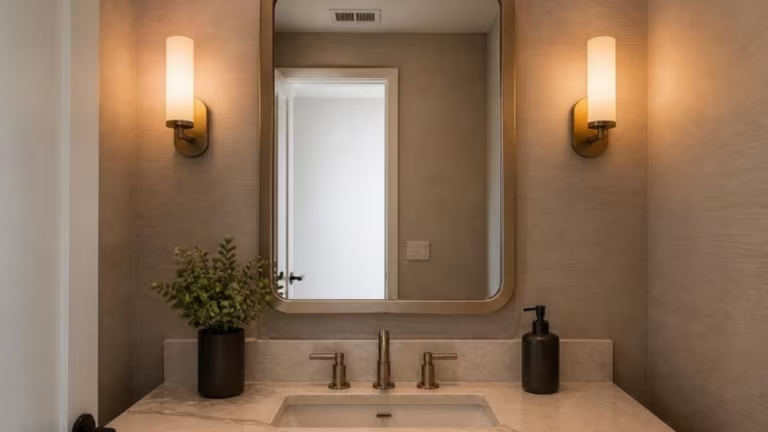
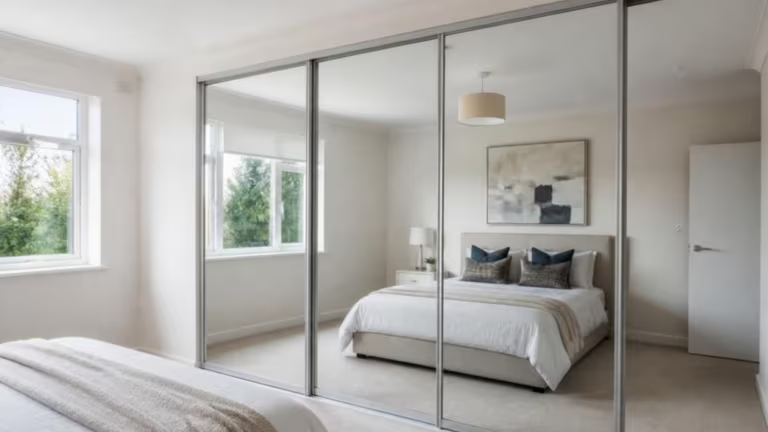
Clear float glass arrives in large sheets and is cut down before any processing. Clear float glassBack-painted glass works as wall cladding as well as splashbacks. Colour backed glassDichroic glass shifts colour as the light and viewing angle change. Dichroic glassFire-resistant glass keeps a corridor bright while holding back fire and smoke for its rated time. Fire resistant glassGlass table tops are cut to shape and edge-polished before toughening. Furniture glassLaminated glass is used overhead because it stays in place if it breaks. Laminated glassLow-iron glass has no green tint, so white marble looks white. Low iron glassFluted glass lets light through a door while blurring the view. Patterned fluted glassPicture glass protects prints and photos; low-reflection grades cut the glare. Picture framing glassSatin glass gives a bathroom privacy without losing daylight. Satin frosted glassSolar control glass cuts heat gain on large south-facing glazing. Solar control glassTinted glass reduces glare and adds a cool or warm tone. Tinted glassToughened glass is about four to five times stronger than ordinary glass of the same thickness. Toughened glassGeorgian wired glass suits industrial-style doors and screens. Wired glassAntique mirror adds an aged, smoky finish behind a bar or in an alcove. Antique mirrorLow-iron mirror gives a clearer, more neutral reflection. Low iron mirrorMoisture-resistant mirror is made to cope with daily bathroom steam. Moisture resistant mirrorAn etched pattern turns a plain mirror into a feature. Patterned mirrorSafety backing film holds the pieces together if a mirror breaks. Safety backing filmA satin finish softens a mirror for a calmer look. Satin mirrorSilver mirror is the standard clear mirror for wardrobes, gyms and halls. Silver mirrorBronze or grey tinted mirror gives a warmer, moodier reflection. Tinted mirror
Survey and fitting
What a site survey and a fitting day look like.
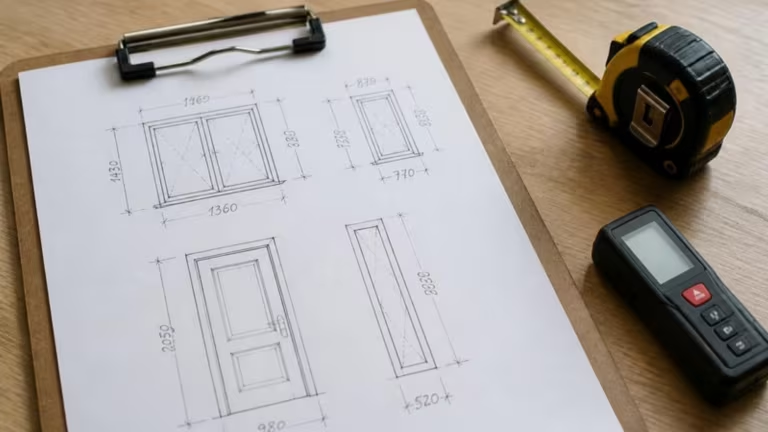
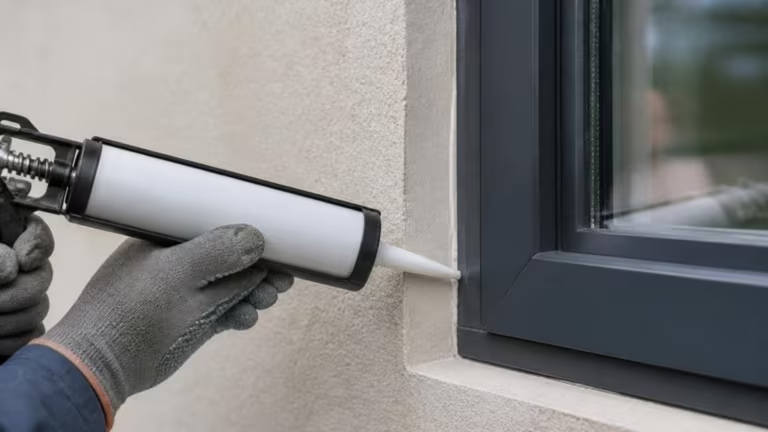
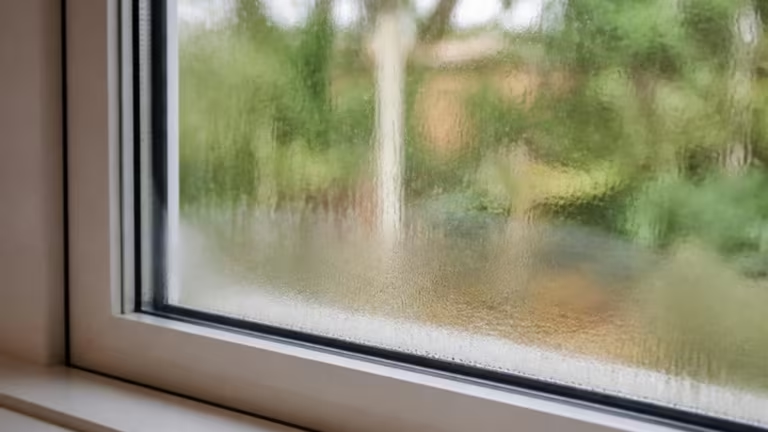
Sketches record each size, the wall build-up and how the opening is finished. Site surveyFrames are sealed and made weathertight before we leave. InstallationCondensation between the panes means the seal has failed. Glass replacement