
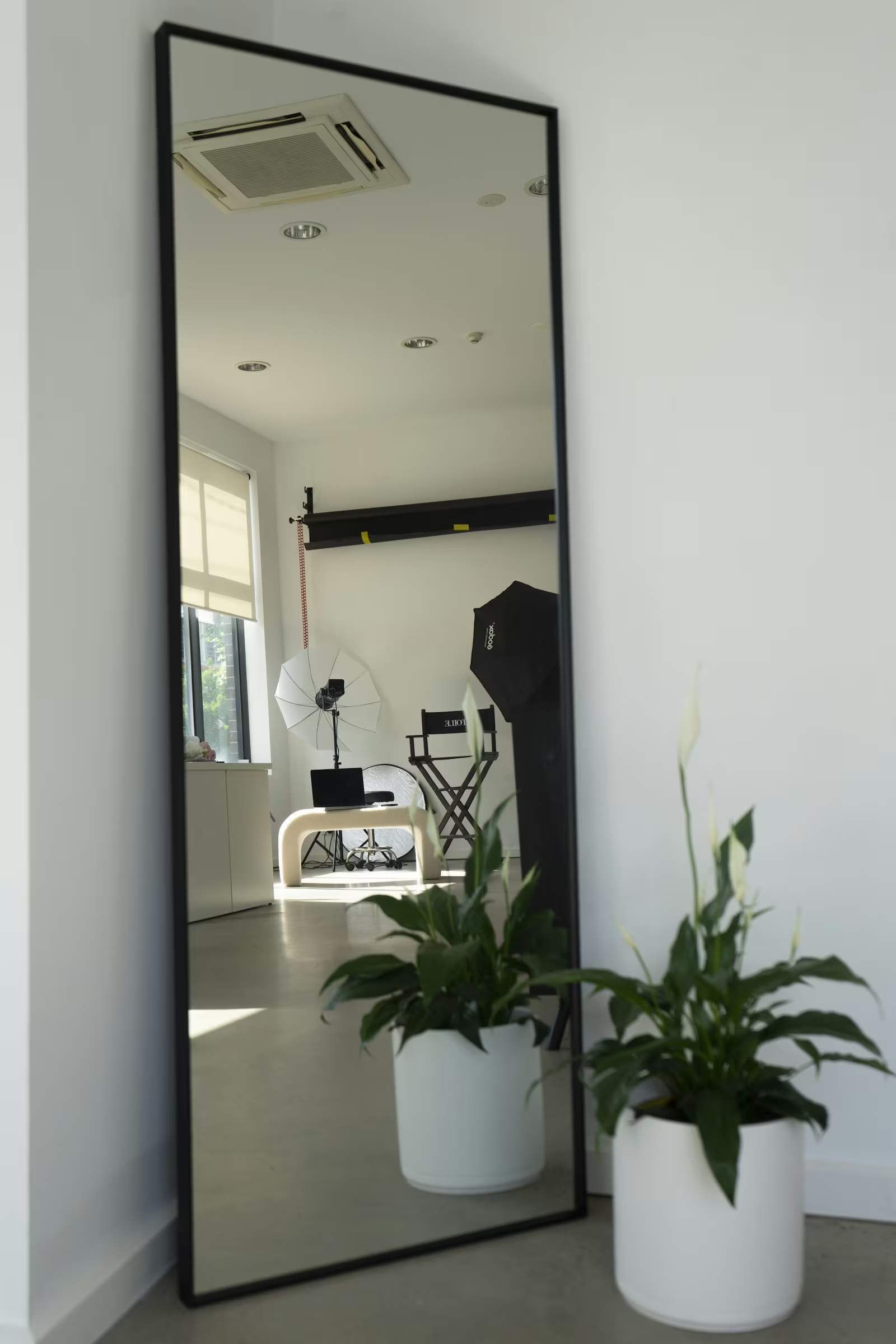
Picture framing glass
Picture framing glass in clear, non-reflective and UV-protective grades, cut to size for framers, galleries and home framing. Protect your artwork and show it at its best.
What is picture framing glass?
Picture framing glass is thin, high-quality glass made to protect artwork, photographs and documents while letting them be seen clearly. Most framing uses 2 mm glass, which is light enough for wall hanging but still protects against dust, touch and damage.
There are several grades. Clear float picture framing glass is the everyday option. Non-reflective glass has a fine etched surface that diffuses reflections, which helps under bright lights but softens the image slightly. Anti-reflective glass uses optical coatings to reduce reflections almost to nothing while staying crystal clear.
For valuable or sentimental pieces, UV-protective conservation glass blocks most of the ultraviolet light that fades inks, paper and fabric. Museum-grade glass combines UV protection with anti-reflective coatings.
Picture framing glass specification
- 2 mm clear float framing glass
- Non-reflective (etched) glass
- Anti-reflective coated glass
- UV-protective conservation glass
- Cut to size or full sheets for framers
How we supply picture framing glass
- Choose the grade. Tell us what you are framing and where it will hang.
- Measure the rebate. Send the inside rebate size of the frame, or the mount size.
- Cut cleanly. The glass is cut accurately and handled to keep coated surfaces clean.
- Pack safely. Thin glass is packed flat and protected for collection or delivery.
Choosing picture framing glass
For posters and everyday prints, clear 2 mm picture framing glass is all you need. In bright rooms or opposite windows, non-reflective or anti-reflective glass makes the artwork easier to see.
For original art, signed prints, photographs and textiles, choose UV-protective glass. Fading from daylight is gradual but permanent, and conservation glass slows it significantly.
Very large frames may need thicker glass or acrylic for weight and safety, and frames in children’s rooms or busy areas can use laminated or acrylic glazing.

Typical uses for picture framing glass
- Prints, posters and photographs
- Original artwork and signed prints
- Certificates and documents
- Sports shirts and memorabilia
- Mirrors and display frames for framers
Picture framing glass FAQs
What thickness is picture framing glass?
Most picture framing glass is 2 mm. Larger frames may use 3 or 4 mm for extra stiffness.
What is the difference between non-reflective and anti-reflective glass?
Non-reflective glass is etched to scatter reflections and can slightly blur the image. Anti-reflective glass uses coatings to cut reflections while staying perfectly clear.
Does UV glass stop fading completely?
It blocks most ultraviolet light, which is the main cause of fading, but keeping art out of direct sun still helps.
Do you supply framers?
Yes. We supply picture framing glass in full sheets and cut sizes for framers and galleries.
Can you cut glass for an old frame?
Yes. Measure the inside of the rebate and allow a small clearance, or bring the frame and we will measure it.